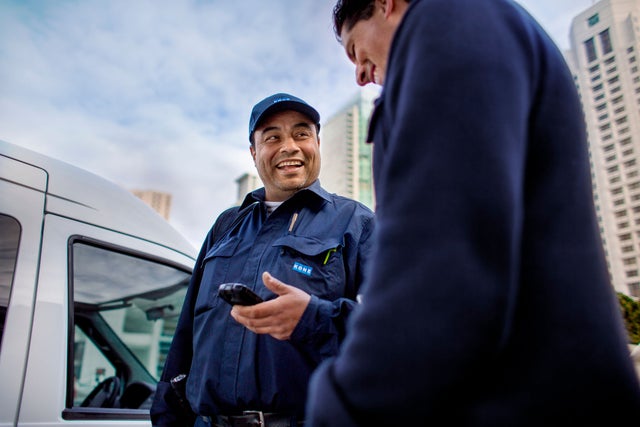

Two women and one man shaking hands

KONE as an investment

In 2025, KONE had annual sales of EUR 11.2 billion, and at the end of the year over 60,000 employees in close to 70 countries. KONE class B shares are listed on the Nasdaq Helsinki Ltd. in Finland.

Our purpose is to shape the future of cities

KONE's business model

KONE is one of the global leaders in the elevator and escalator industry and provides value for customers during the whole life cycle of a building. In New Building Solutions, we offer innovative, intelligent and sustainable elevators, escalators, automatic building doors and integrated access control solutions to deliver the best people flow experience. In Service, we ensure the safety and availability of equipment in operation, and in Modernization we offer solutions for aging equipment ranging from the replacement of components to full replacements.

Our Service business provides a stable and recurring revenue base, driven by high requirements for safety and reliability and long customer relationships with approximately 90% annual retention. New Building Solutions and Modernization are more cyclical in nature and follow construction cycles, but offer significant growth potential driven by urbanization and aging building stock.


KONE's business model is capital light, with negative working capital across all businesses and extensive use of component suppliers to complement our own manufacturing capacity. Combined with our diversification across solution areas and geographical markets, this provides both stability and growth opportunities across market cycles.

Key megatrends

Strategy

We understand urbanization and help our customers make the best of the world’s cities, buildings and public spaces. We make urban life more vibrant and livable. And we do it by enabling safe, sustainable, and effortless people flow for all. We help cities leave a positive mark on the planet - for the next century and beyond.

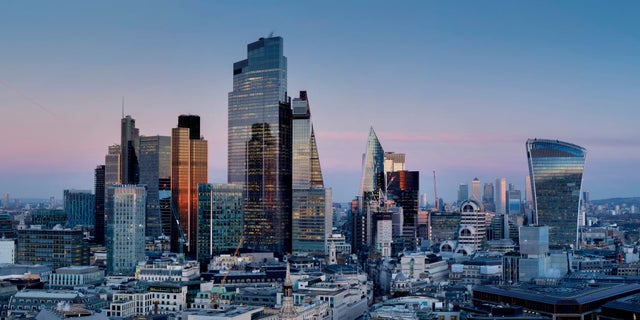
  • View looking down at a city skyline

    Urbanization

    Today, more than 50% of people live in urban areas and by 2050, that number is expected to increase to 68%, adding 2.2 billion people to urban areas. The world will continue to urbanize but the nature of urbanization is changing. The way we live, work and commute will continue to transform.


    Impact on the industry: demand for new equipment, growth of installed base, demand for modernization of buildings to adapt to changing needs

  • A metro station and trees

    Sustainability

    Globally cities stand for 75% of energy consumption and 80% of manmade greenhouse gas emissions. Requirements for smart and energy-efficient solutions, healthy and sustainable materials and overall, green and sustainable buildings are increasing. Sustainable building and circular practices are becoming more mainstream in new construction and refurbishment.


    Impact on the industry: increasing customer requirements, broader array of business opportunities related to sustainable solutions

  • Woman typing on a computer

    Technology

    Technologies can be used to anticipate future needs. New technologies are enablers for solving many challenges, including challenges related to rapid urbanization and climate change.


    Impact on the industry: opportunities to create value for customers in new ways, new revenue streams, automation and new ways of working

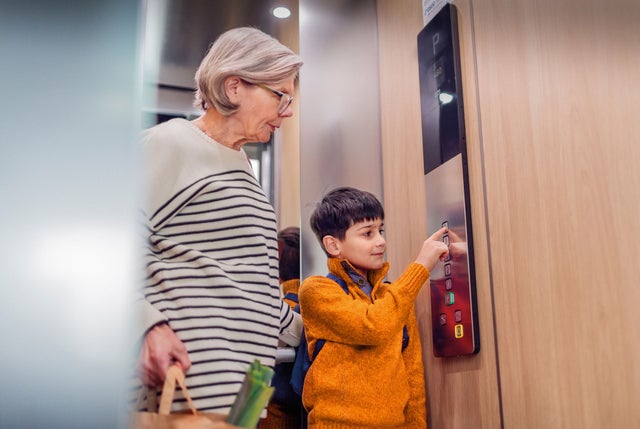
Child holding escalator handrail

Financial targets

Our financial targets reflect our commitment to outperforming the market, improving margins, and maintaining disciplined capital efficiency.

(Based on KONE's Interim report for January-March 2026 published April 29, 2026)


KONE expects its sales to grow 3-6% at comparable exchange rates in 2026 and its adjusted EBIT margin to be in the range of 12.3-13.0%.


Assuming that foreign exchange rates remain at the April 2026 level, the impact of foreign exchange rates on the adjusted EBIT margin would be limited.


Key drivers for sales growth are the positive outlook for Service and Modernization and the solid order book. The declining New Building Solutions market in China is a headwind.


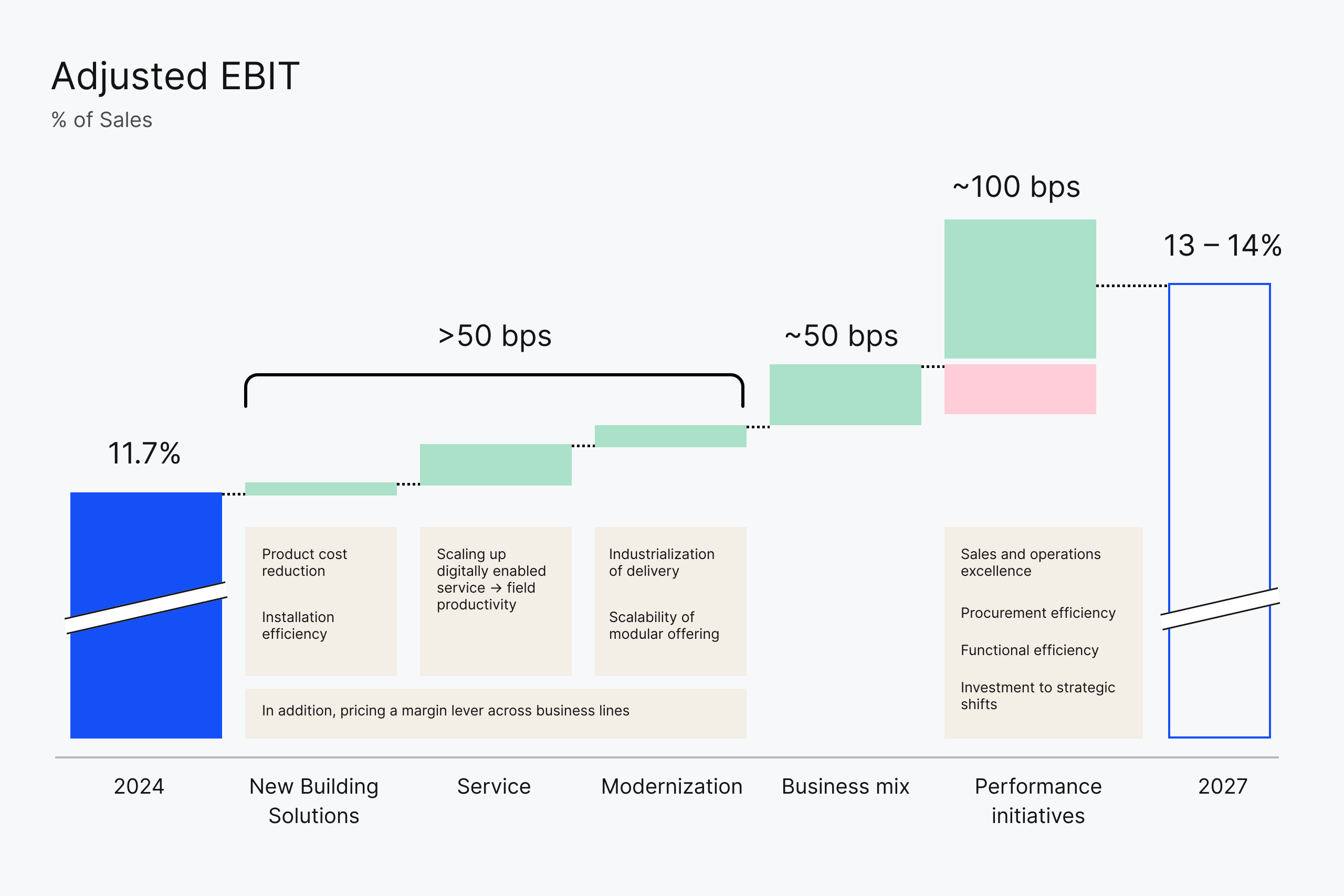
The key drivers of EBIT margin expansion are sales growth in Service and Modernization, an increased contribution from performance initiatives and good progress in product cost reductions. The challenging New Building Solutions market in China and continued inflationary pressure on wages are expected to impact profitability negatively. Geopolitical tensions are also a headwind.


KONE previously expected its sales to grow 2-6% at comparable exchange rates in 2026 and its adjusted EBIT margin to be in the range of 12.3-13.0%. The negative impact of foreign exchange rates on the adjusted EBIT margin was expected to be approximately 10 basis points, assuming rates remained at the January 2026 level.

(Based on KONE's Interim report for January-March 2026 published April 29, 2026)


KONE has a positive or stable market outlook for eleven of its twelve end-markets.


Activity in the New Building Solutions market is expected to vary regionally in 2026. The market is expected to grow slightly in North America and in Europe. In Asia-Pacific, Middle East and Africa, activity is expected to grow clearly. In China, the market is expected to decline clearly.


Modernization markets are expected to grow in all regions supported by an aging equipment base as well as the focus on sustainability and adaptability of buildings.


Service markets are expected to grow clearly in Asia-Pacific, Middle East and Africa and grow slightly in other regions.

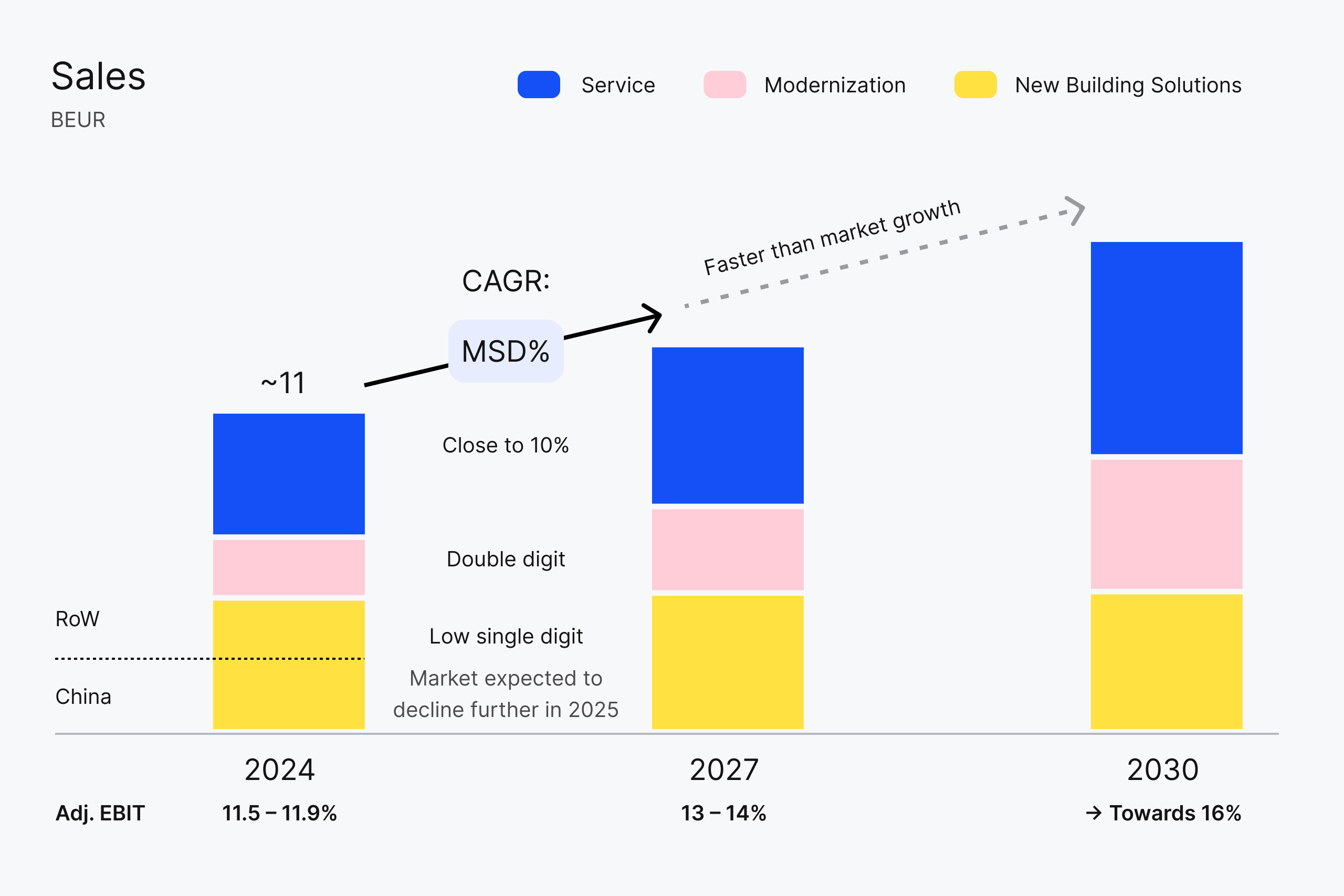
KONE has set the following mid-term financial targets to be achieved by the end of 2027:


  • Growth: Mid-single-digit annual sales growth
  • Profitability: Adjusted EBIT margin of 13-14%

KONE's long-term targets:


  • Growth: Faster than the market
  • Profitability: To reach an EBIT margin of 16%
  • Cash flow: Improved working capital rotation

Our roadmap towards scalable and resilient growth and 13-14% Adjusted EBIT by 2027


Capital-light and cash-generative business model


KONE’s business is capital-light. We have manufacturing units in all the key regions, and we cooperate with many local and global component suppliers. As a result, the level of tangible and intangible assets is relatively low in the business.


We have strong cash generation and negative working capital thanks to advance and progress payments from our customers across businesses and geographies.


The cash generative business model has enabled steadily developing dividends for shareholders.