
Connected Cities: Inclusive Technology

A podcast episode from The Flow of Urban Life


How can we make our cities more inclusive? Let’s explore how technology can improve urban design with three guest speakers with a background in innovation and inclusive design.

Link to podcast>>


More than 4.2 billion of us live and work in cities every day. Some of us need specific accommodations for disabilities, whether in a digital world or the real world. Now, as urban populations continue to grow, many cities are turning to technology to create smarter, more liveable environments for all.


We interviewed some of the people innovating new technology to address the challenges of city living.

An app that helps people navigate

BlindSquare is the world’s most widely used GPS-app for the blind, deafblind, and partially sighted. It helps people move around the city and explore their interests by telling them about what’s nearby. Ilkka Pirttimaa is the developer behind BlindSquare, and he believes his app can empower people to navigate our cities in much smarter way.

A map that makes journey planning easier

Getting into buildings, taking public transport, or moving from the roadway to the sidewalk can be tricky for people with mobility impairments. SozialHelden have been working on a set of tools that help wheelchair users navigate our cities in a better way.


Their story started with Wheelmap, a map designed to help people find and mark wheelchair accessible places, and grew to become a smart journey-planning solution that integrates data from elevators and public transport services.

Collaboration is the fuel of progress

Mirva Nevalainen*, head of partner innovations operations at KONE, believes it’s short-sighted to think of buildings, streets, and public transportations as separate entities; instead, we should be thinking about the bigger picture of how people move around a city.


In order to develop more holistic solutions, companies need to collaborate and share insights with each other. KONE has been working with partners such as BlindSquare to integrate data from KONE’s elevators into apps that help people with disabilities.


These collaborations have fueled new findings and boosted progress in developing accessible solutions that have the potential to improve city living for millions of people all around the world.


*) Following the publication of this podcast episode, Mirva Nevalainen has moved to a new role outside of KONE.

Continue reading

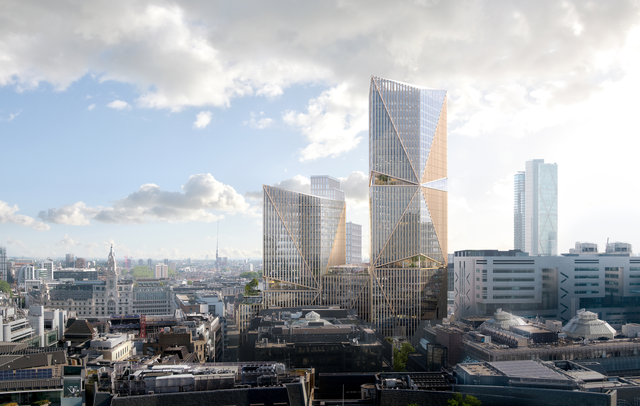
  • A visualisation of the completed towers at 2 Finsbury Avenue, two high-rise buildings connected by a podium

    How KONE powers people flow at 2 Finsbury Avenue in London

    Explore how KONE's people flow solutions power 2 Finsbury Avenue in London, improving mobility, user experience, and workplace connectivity for thousands of daily users.
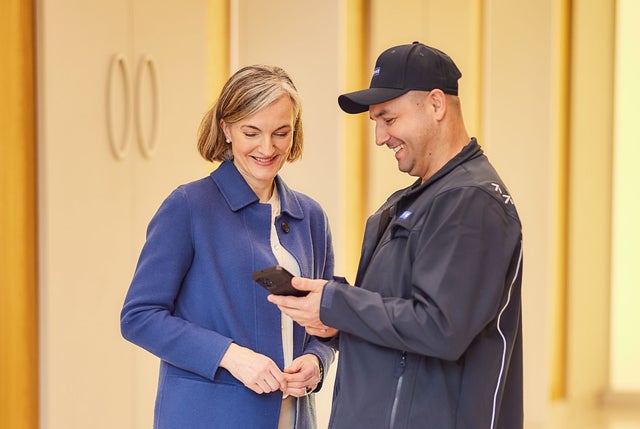
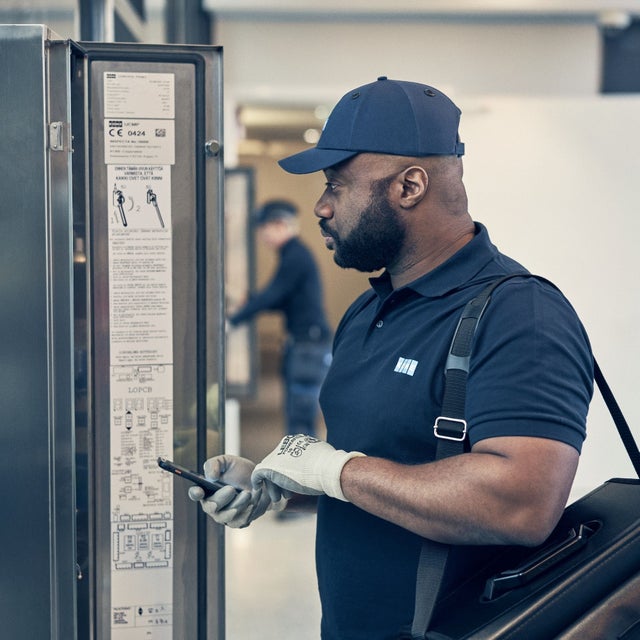
  • KONE technician using an AI tool Technician Assistant with this mobile phone

    How an AI tool helps service technicians stay one step ahead

    KONE Technician Assistant is guiding service technicians to troubleshoot faster and prepare for a future where elevator maintenance is increasingly predictive.
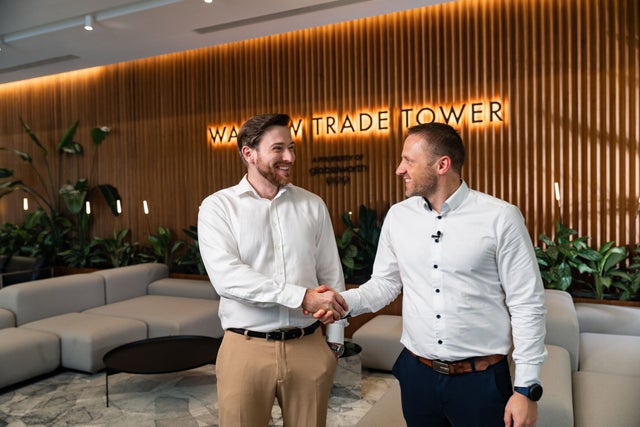
  • Customer shaking hands with a KONE expert

    How elevator data helps Warsaw Trade Tower work smarter

    At Warsaw Trade Tower, elevators do more than move people between floors. The data they generate helps building managers understand how the spaces are used, giving property teams new ways to save energy, improve comfort, and run offices more intelligently.