Elevator etiquette for staying healthy

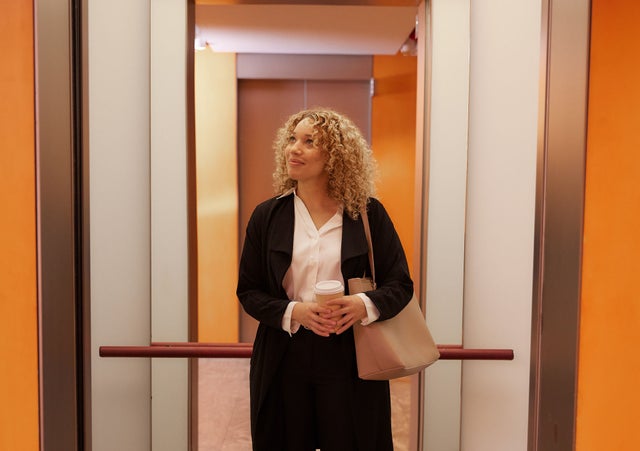
Elevators are, by definition, enclosed spaces where random people mingle. They are also an essential mode of transport for people who struggle climbing stairs, especially in critical settings like hospitals. We put together some tips for mindful behavior to make elevator use safer, even in troubled times.


While many of us currently face restrictions to moving around our cities and the buildings in them, there are premises that need to stay operational, even in times of crisis. Hospitals are an obvious example of this: people and supplies must be able to move efficiently within and between floors at all times.


But many offices, shops, residential buildings and public transport hubs, too, need to remain ready to serve. Elevators are often the most efficient way for the people in these buildings to get where they need to be when they need to be there. By following the below elevator etiquette, anyone using an elevator during the new coronavirus (COVID-19) outbreak can do their bit to stay safer during the pandemic.

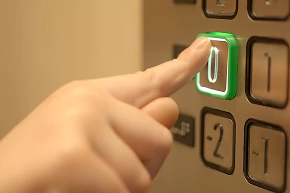
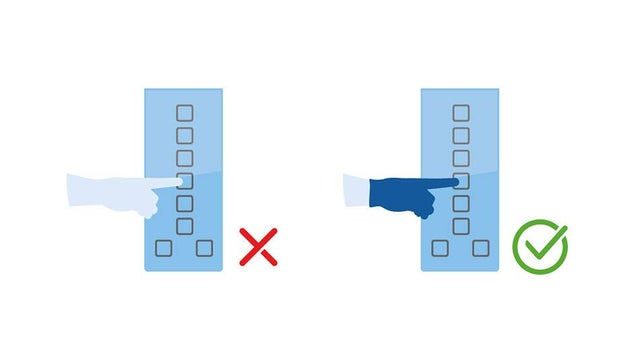
1. Avoid direct hand contact with buttons

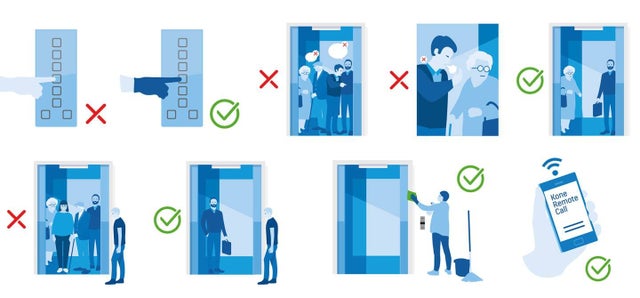
To avoid the spread of microbes in elevators with traditional push buttons, it’s best not to touch the keys with your bare fingers. Opt instead for a gloved finger or use the end of a pencil or something similar to push the button.


If you need to use your bare hands, remember to wash them as soon as you can or use an alcohol-based hand-sanitizer.

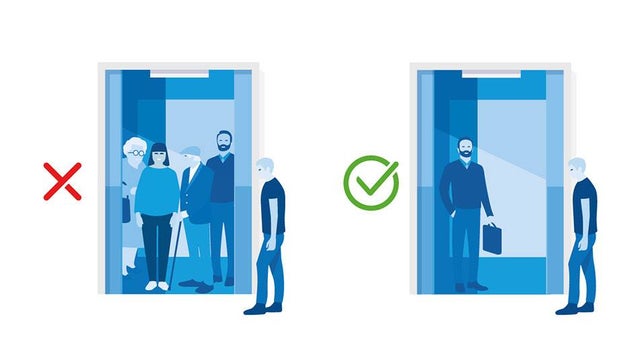
2. Avoid crowds

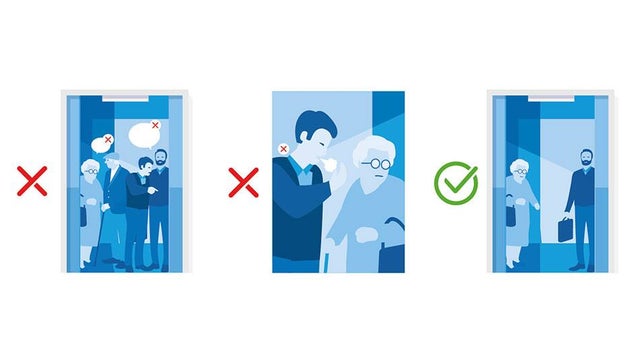
If the elevator is already full, be patient and wait for the next one. Or consider taking the stairs instead. It’s best to travel in the elevator on your own or with just a few other people to limit the spread of diseases like the new coronavirus, which are transmitted through respiratory droplets.

3. Practice social distancing

If you are in an elevator with other people, try to stand at least one meter away from your fellow passengers. If you are in a crowded elevator, it’s polite to adopt the Finnish way and refrain from talking. If you have to cough or sneeze, turn away from others and use your sleeve or a handkerchief to prevent droplets from spreading.

social distancing

4. Regular cleaning of surfaces

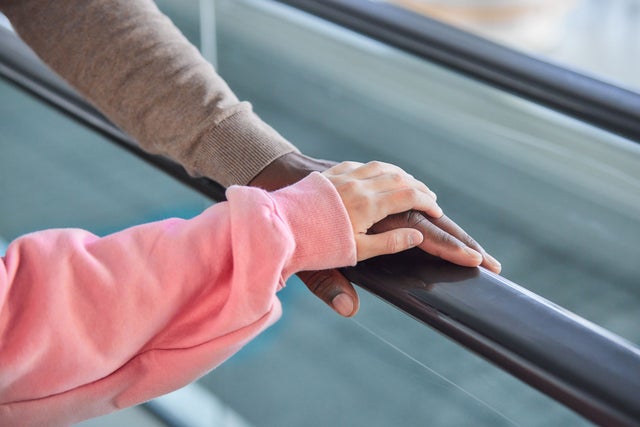
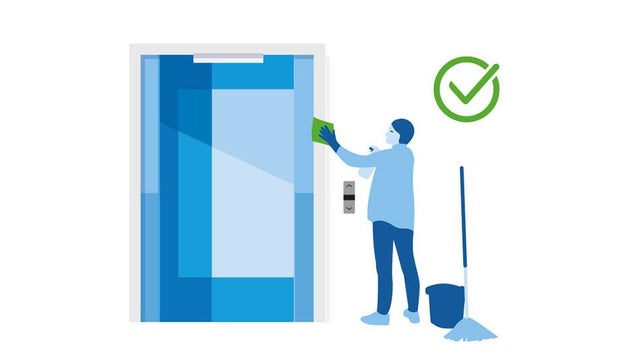
It is always good practice to have elevator surfaces cleaned regularly. Encourage your facility manager to boost cleaning efforts so that elevator buttons, handrails, elevator car walls, doors and other surfaces, such as touch-screen panels, are cleaned regularly with the right types of disinfectant.

5. Make the most of the available technology

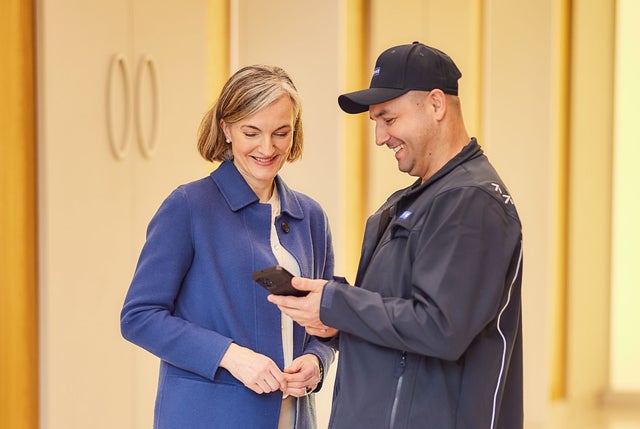
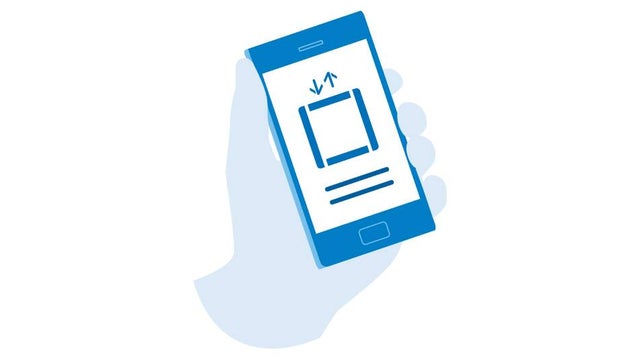
Media screens in and around elevators can be used to keep building occupants and visitors informed of any vital news, guidelines or developments concerning, for example, precautionary measures being adopted to limit the spread of the new coronavirus within the building or beyond. The KONE MediaScreen can be updated remotely.


Customers whose elevators and escalators have the KONE 24/7 Connected Services preventive maintenance system are able to keep track of any unexpected servicing needs to avoid equipment outages.

Continue reading

  • Women working at an office

    Stories of KONE Women – the power of inclusion

    The women who work at KONE offer unique perspectives and backgrounds. These stories are just a glimpse into how they help our global community thrive.
  • Elevating Finnish happiness in Dubai

    The built-in connectivity of the KONE DX Class elevator at the Finland at Expo 2020 Dubai Pavilion helps capture the story of Finland's success.
  • Solutions for a healthier new urban normal

    Elevate urban well-being with KONE's solutions. Prioritize people flow for healthier and dynamic new spaces that enhance the urban living experience.