
Top 6 elevator myths debunked

Action movies often use elevators for dramatic effect, perpetuating myths that can trigger anxiety for some elevator passengers. But those misconceptions can stay where they belong – in fiction. We’re here to lay out the facts.


Not all that you see in movies is true. In the real world, elevators and escalators are highly regulated and designed with many safety features that protect passengers. At KONE, we are committed to the safety of those who rely on our products for safe and smooth transport.


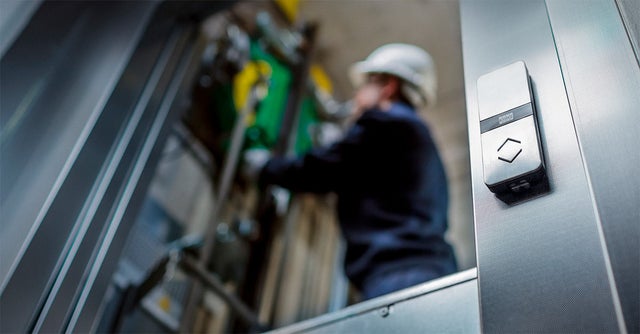
Keeping elevators safe is a joint effort that involves technology and maintenance service providers, building owners, and equipment users. Importantly, following simple safety tips will ensure a seamless ride.


Let’s debunk a few urban legends about elevators.

Myth #1: Elevators are held up by one rope that could break.

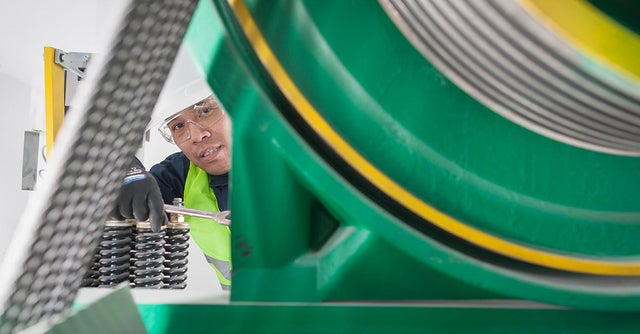
Think again! Elevators are supported by multiple steel cables, and each cable alone can support a fully loaded car. It is highly unusual for even a single rope to break. Even in the extremely improbable case of all the ropes snapping, safety features like the overspeed governor will detect the overspeed of the elevator and activate safety devices to stop the elevator.


Those action scenes where the sparks fly off the guide rails as the elevator races down uncontrollably are pure cinema.

Elevators are highly regulated and designed with many safety features that protect passengers.

Myth #2: An overcrowded elevator will fall.

Not true. Normally, an overloaded car just won’t move. The doors will stay open and a buzzer may ring until enough people get off the elevator to reduce the weight. Many elevators are equipped with technology that will effectively guide riders to available elevators to reduce overcrowding in the first place.

Myth #3: An elevator car can run out of oxygen if it gets stuck between floors.

Breathe easy on this one. Elevator cars are well-ventilated. While country regulations may vary, there are international standards for ventilation that must be adhered to so air moves freely in and out. In some cases, elevators are also equipped with air conditioning.

A little attention goes a long way to stay safe while using elevators.

Myth #4: It’s possible to escape from inside an elevator car into the shaft through a safety hatch.

Safety hatches or trap doors often exist for rescue purposes, but most can only be opened from the outside by trained rescue professionals. Passengers should never attempt to use them as escape routes. So, if you’re trapped in an elevator, the safest thing to do is press the alarm button (or call for help on your phone), stay put, and wait to be rescued.


Never attempt to get out by yourself. And never pry an elevator’s doors open either, because the elevator might not be in front of a door opening. You could put yourself and other passengers in danger.

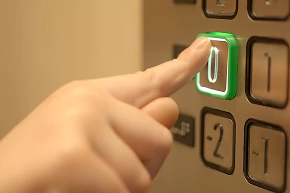
Myth #5: Pushing the call button multiple times will make the elevator arrive faster.

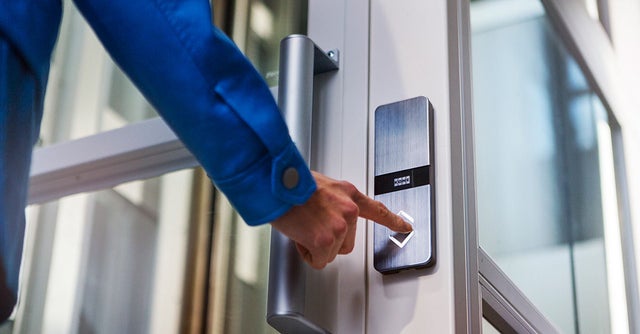
Sorry to disappoint, but this isn’t the case. When you push the button, the elevator gets your “call” and its software determines the elevator’s route. There are simpler and more sophisticated call systems, but the basic idea is the same: one push is enough to generate action.


Pushing the button several times often makes us feel like we’re doing something to speed things up – but in reality, it doesn’t make any difference. Pressing the “door close” button once inside the car, however, will trigger the doors to close sooner.

Understanding a few elevator basics can dispel common misconceptions.

Myth #6: The elevator doors can open between floors.

The simple answer is no. The elevator car controls the opening of the landing door. If the car doesn’t arrive to the floor, there is no signal that triggers the landing doors to open. If in doubt, under no circumstances should you attempt to pry the doors open or get out on your own.


No matter what, don’t panic. Getting nervous will only make things worse, so the first thing to do is take a deep breath. And if you’ve already made contact with maintenance or emergency personnel, sit tight. Elevator entrapment calls are always taken seriously, and KONE is focused on rescuing you in a safe way, as fast as possible.

Continue reading

  • A visualisation of the completed towers at 2 Finsbury Avenue, two high-rise buildings connected by a podium

    How KONE powers people flow at 2 Finsbury Avenue in London

    Explore how KONE's people flow solutions power 2 Finsbury Avenue in London, improving mobility, user experience, and workplace connectivity for thousands of daily users.
  • KONE technician using an AI tool Technician Assistant with this mobile phone

    How an AI tool helps service technicians stay one step ahead

    KONE Technician Assistant is guiding service technicians to troubleshoot faster and prepare for a future where elevator maintenance is increasingly predictive.
  • Customer shaking hands with a KONE expert

    How elevator data helps Warsaw Trade Tower work smarter

    At Warsaw Trade Tower, elevators do more than move people between floors. The data they generate helps building managers understand how the spaces are used, giving property teams new ways to save energy, improve comfort, and run offices more intelligently.