
New Standards for Lifts (Elevators) ISO 8100-1:2026 and ISO 8100-2:2026

New ISO standards ISO 8100-1:2026 and ISO 8100-2:2026 were published on March 27th, 2026. They replace EN 81-20:2020, EN 81-50:2020 as well as current ISO 8100-1:2019 and ISO 8100-2:2019. The standards have been completely revised and include several enhancements to improve the safety of both passengers and maintenance personnel.


This page gives an overview of the key features and new safety provisions introduced by ISO 8100-1 and ISO 8100-2. For full technical details, refer to the published standards.

Scope of the standards

elevator equipment illustration

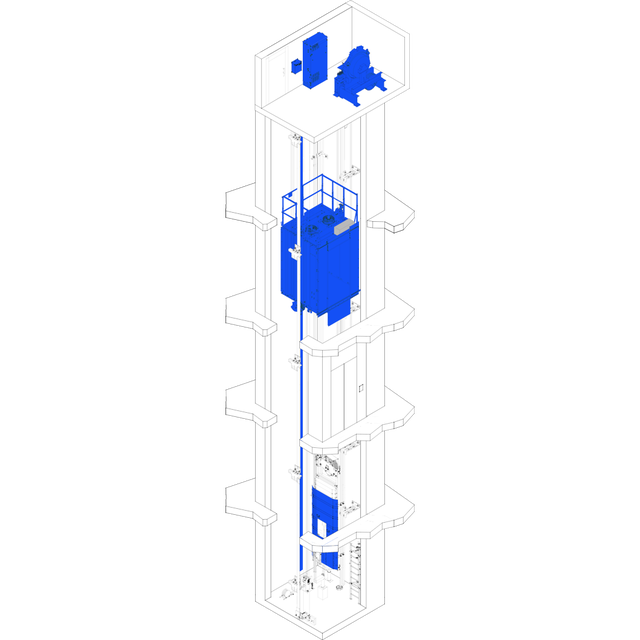
ISO 8100 1&2 apply to new lifts permanently serving buildings and constructions and intended for the transport of persons or persons and goods. They apply to traction lifts, positive drive lifts and hydraulic lifts.


The standards have been comprehensively edited, formatted and restructured according to the latest drafting rules for modern international standards.


The standards are not applicable to existing passenger and goods passenger lifts.

New contents introduced

equipment illustration

The revised standards include detailed and enhanced requirements, which support several solutions that have already proved themselves in the market:


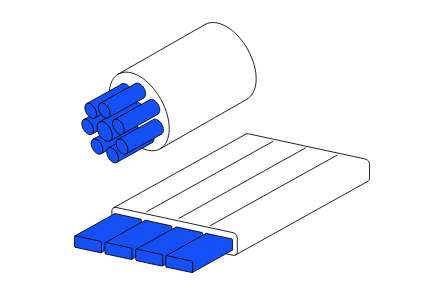
  • Coated suspension means: Belt type and coated ropes are now fully integrated with detailed application and testing requirements.
  • Safety gear actuation: Safety gear, traditionally triggered mechanically, can now also be operated by electrical means.
  • Reduced stroke buffers: Permitted for speeds below 2.5 m/s, enabling shallower pit and headroom.
  • Automatic rescue operation: Updated requirements are given for automatic rescue where lift car moves automatically to a landing during a power failure. 
  • Cyber-safety (protection against corruption): There are new requirements to ensure that connected lifts are protected against digital threats and unauthorized access.

Safety improvements for passengers

illustration people in elevator

The revised standards include several improvements to enhance passenger safety:


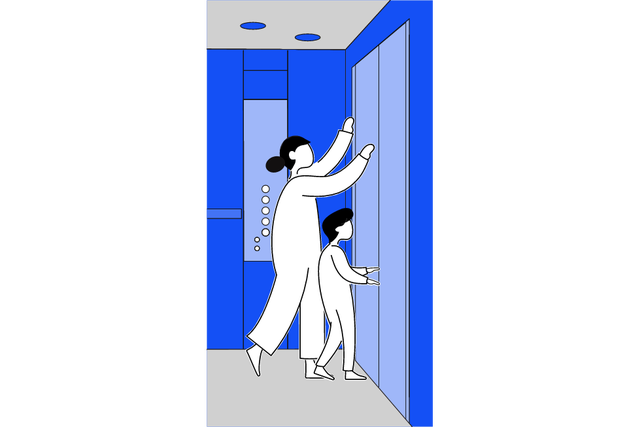
  • Reduced door gaps and elimination of sharp edges on door panels to prevent injuries, contributing to a safer and more comfortable passenger experience.
  • Overspeed protection of upwards moving car is to remain active during rescue operations.   
  • Enhanced machine brake requirements to reduce the risk of undetected brake issues.

Safety improvements for maintenance personnel

illustration ladder

This revision includes several improvements:


  • Safer access for machinery spaces.
  • Car roof balustrades redesigned to reduce fall risks.
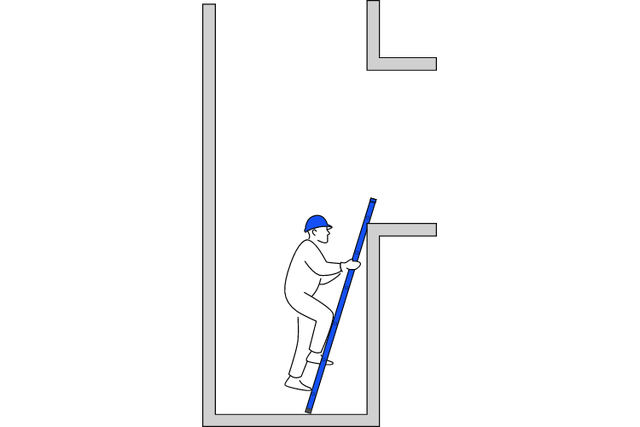
  • Safer use and handling of pit ladder.
  • Well lighting protection against mechanical damage.
  • New well access requirements, including specifications for the inspection operation switch.
  • Additional warning labels.

Other improvements

illustration forklift and elevator

In addition to the above changes, the revised standards incorporate several other improvements that strengthen safety measures and support more consistent technical performance:


  • Updated requirements for use of electronics and software for safety functions. 
  • Enhanced fire protection of electrical wiring.
  • Improved methodology for determining car area, nominal load, and maximum passenger capacity. 
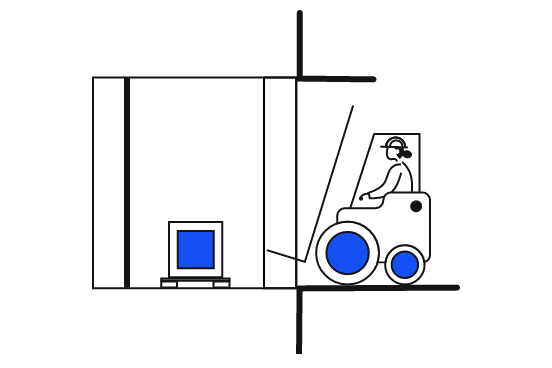
  • Revised rules for goods passenger lifts, including lifts used with pallet trucks, forklifts, or large volume goods.
  • Numerous editorial refinements for easier understanding and verification of the requirements.

Building design and interface requirements

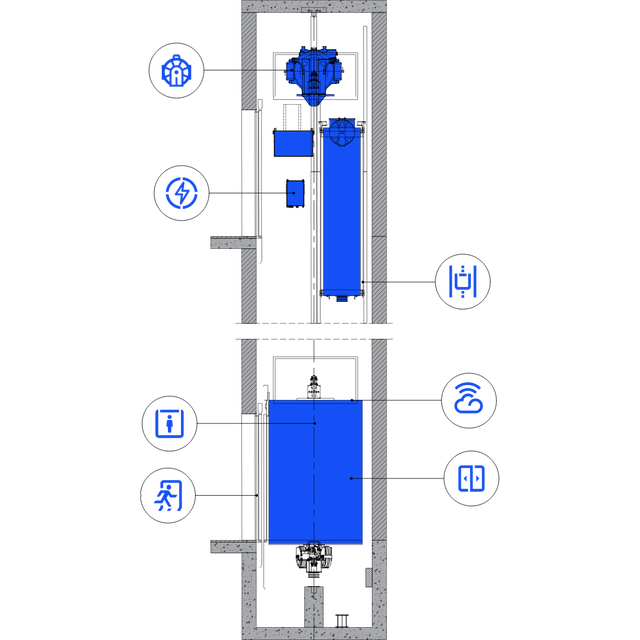
illustration elevator features

Building related requirements have been collected in a separate Annex of the standard. It is essential that these requirements are clearly communicated and considered in the building design.


The following must be implemented in the building design to ensure safe and compliant lift installation and its operation:


  • Safe access to landings and machinery spaces for maintenance and inspection activities.
  • Only lift-related equipment in the lift spaces is allowed, avoiding interference from external systems.
  • Lighting levels and floor finishing for safe movement of passengers and work environments for maintenance personnel.
  • Maintaining specified environmental conditions for safe lift operation, including temperature, humidity, and protection from water ingress.
  • Building design based on the specified forces acting on the building during the life cycle of the lift. 
  • Permitted openings and construction of the lift well, including accessible space below the lift well.
  • Pit platforms are required for deep pits to allow safe access to components under the car. 

More information

Please contact your local KONE representative for more information.