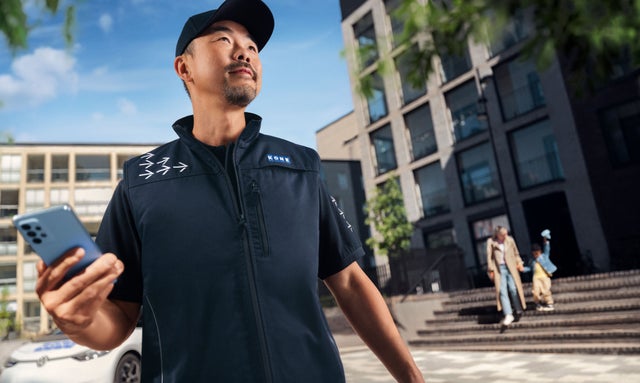
Shaping China’s cities for 30 years

From rapid urban growth to a new era of renewal and modernization

KONE entered the Chinese mainland market in 1996, right before the skyscraper boom. Over the past three decades we have grown alongside China’s cities, shaping urban life with modern solutions and innovations. Today, KONE moves millions of people through major transportation hubs and helps ensure smooth people flow.

Joe Bao

EVP Greater China Member of the Executive Board

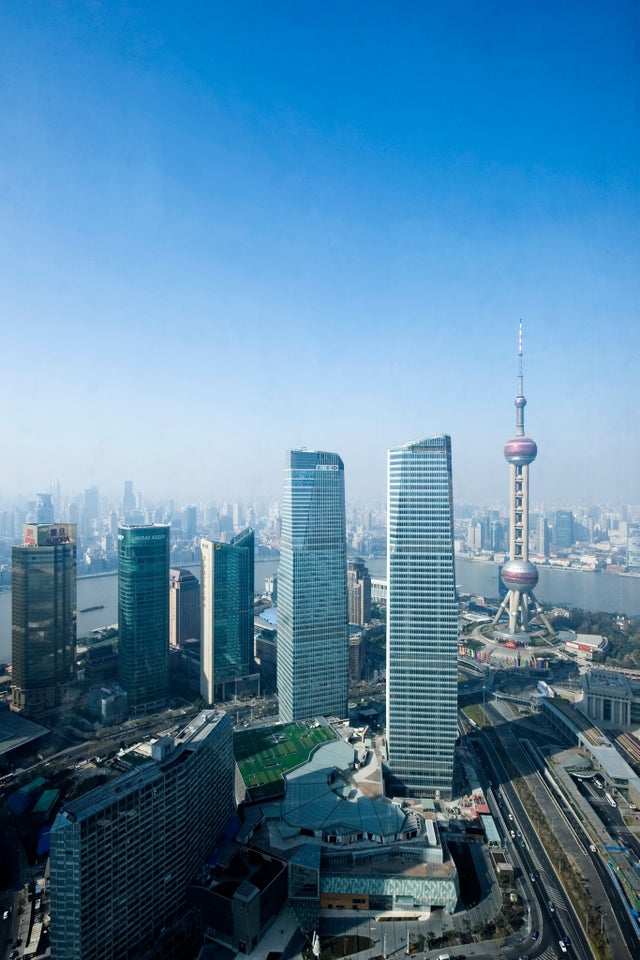
Shanghai skyline on a clear day

The year is 1996. The Spice Girls top the music charts, an internet search engine project that would later become Google is initiated, and the world’s top athletes gather in Atlanta, USA, for the summer Olympics. It is an important year for KONE, too. We introduce the world’s first machine-room-less elevator, KONE MonoSpace®, Antti Herlin becomes CEO, and we begin our operations in China.

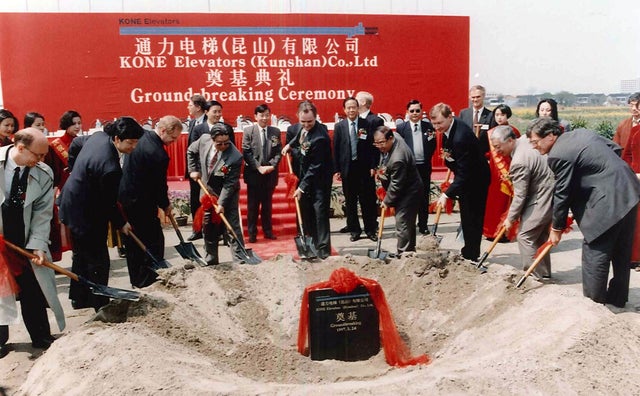
The ceremonial laying of the cornerstone for KONE’s Kunshan factory distinguished guest manning the shovels. The ceremonial laying of the cornerstone for KONE’s Kunshan factory took place on March 3, 1997, attended by several high-ranking Chinese officials, Finland’s Ambassador to China, and members of KONE’s top management.
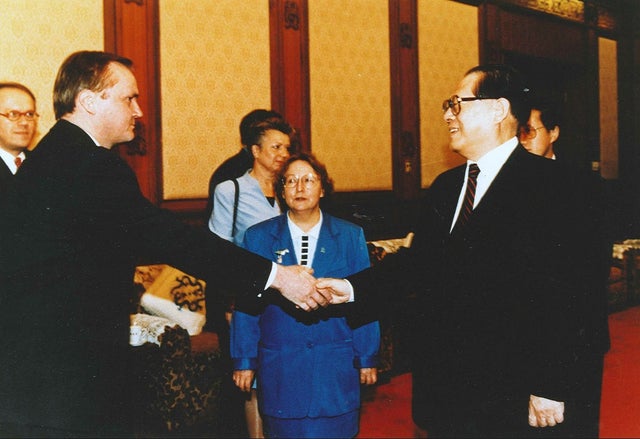
Antti Herlin meeting the General Secretary of the Communist Party of PRC Jiang Zemin in the 1990s. Antti Herlin meeting the General Secretary of the Communist Party of PRC Jiang Zemin in the 1990s.

Expanding into China seems like an obvious choice today, but at the time no one knew how it would turn out.


By 1998, our factory in Kunshan, near Shanghai, is open and KONE already employs 1,000 people in the country. Soon, skyscrapers start to rise, and demand for elevators and escalators grows with them.


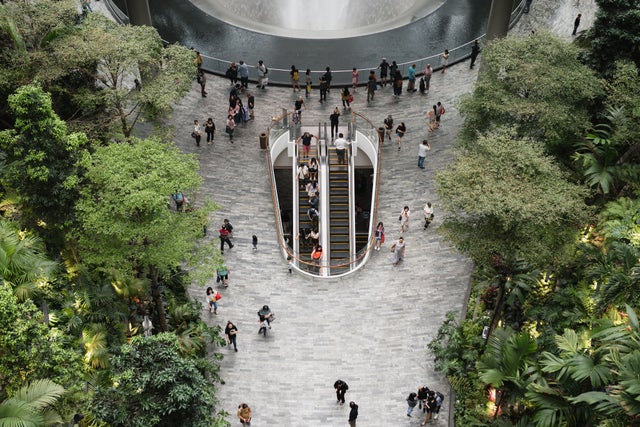
Today, our solutions reliably move millions of people every day through some of China’s busiest transportation hubs, including railway stations and airports.


“KONE has participated in China’s rapid industrialization over the past three decades. The urbanization rate went from approximately 29% to 68% during that time,” explains Joe Bao, executive vice president for the Greater China and member of the KONE Executive Board.

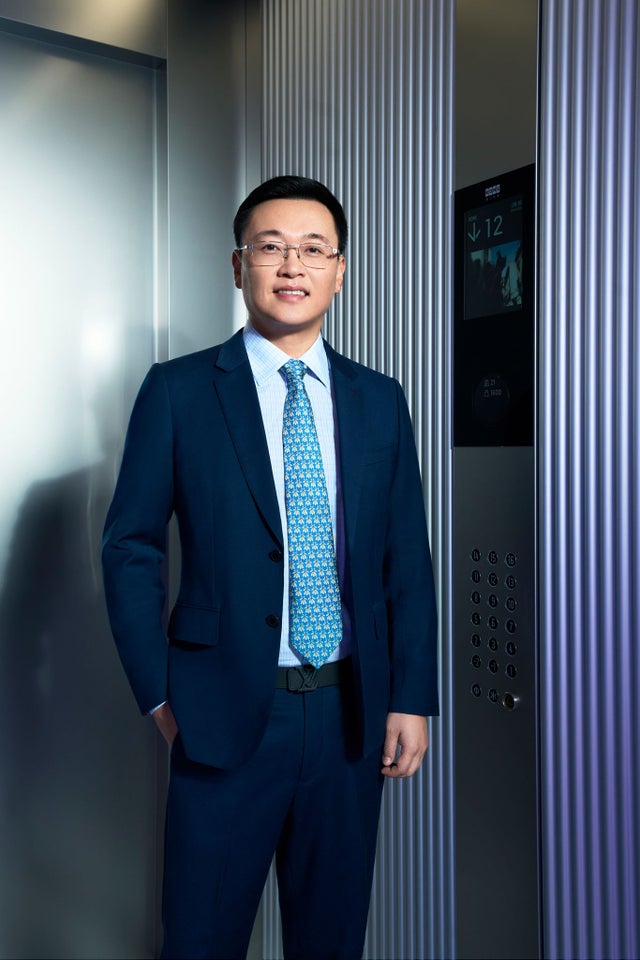
Joe Bao, EVP for the Greater China region Joe Bao, Executive Vice President for Greater China, sees urban renewal, modernization and digitalization shaping KONE’s next chapter in China.
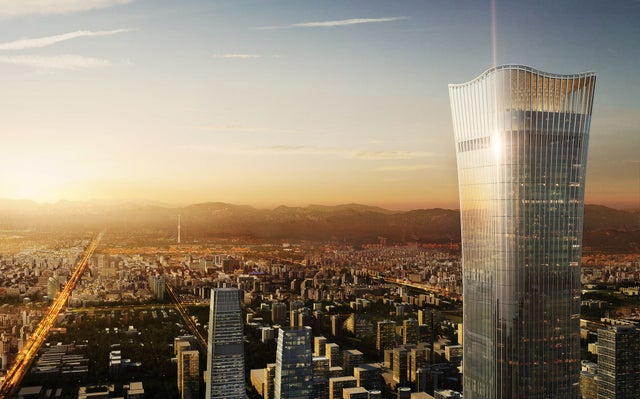
The CITIC Tower in Beijing skyline. CITIC Tower, the tallest building in Beijing, is equipped with KONE technology.

China’s evolving cities and customers

China has always been a big market, but it is also constantly evolving. The last few years have witnessed major changes.


“When I joined KONE in 2022, about 80% of our business in China was in new building solutions,” Bao says. “Today, it is turning to 50-50 between new construction on the one hand and services and modernization on the other.”


Bao explains that as China’s built environment matures, an aging population and growing use of smart technology are reshaping urban lifestyles and the demands placed on KONE.


“Our customers are changing,” he says. “For new construction, we work with developers who look for certain standards, such as modularity and product quality. Property managers and tenants want more enhancements, including improved efficiency and increasingly, better user experiences.”


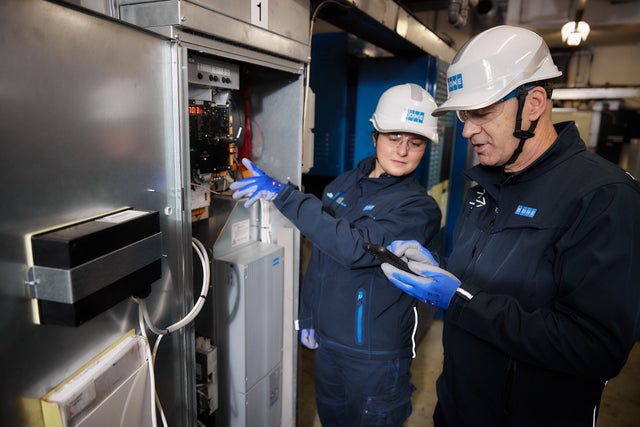
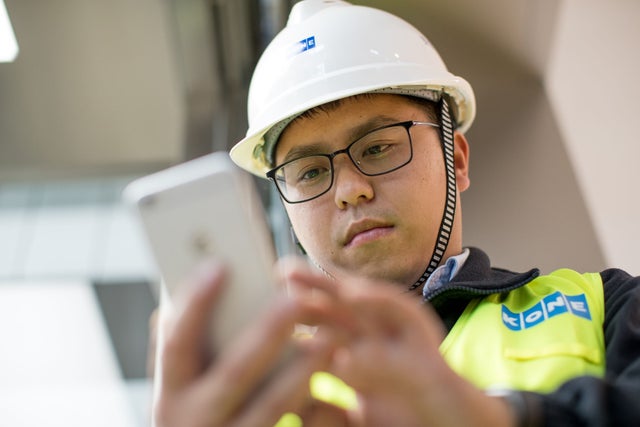
To meet customers’ evolving needs, KONE has invested heavily in digital services. The China KONE Field Mobility app, CKFM, helps service technicians in China to respond faster and more proactively. AI models can quickly reroute a technician to handle priority cases, making their daily work easier and more efficient. New digital services such as the MyKONE customer portal and equipment health reports are also growing in importance, helping property managers monitor their elevator and escalator performance and usage more effectively.


“Property managers want insights into their buildings and tenants,” says Bao. “MyKONE can tell them how the equipment is used and inform them of any looming issues, recommending preventive and proactive maintenance before a breakdown occurs. This can lower expenses and reduce downtime.”

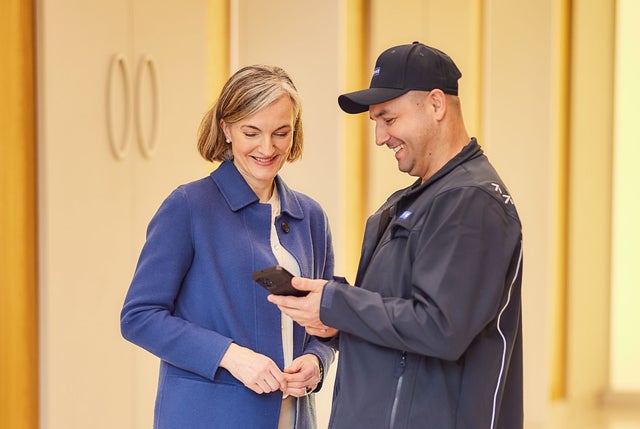
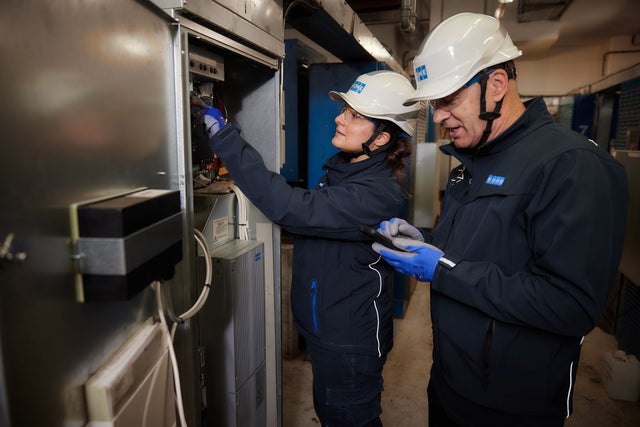
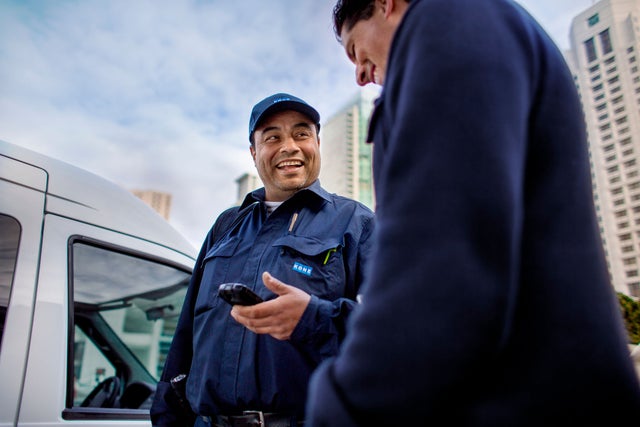
KONE technician with mobile phone Across China, KONE field technicians rely on digital apps to support daily maintenance, diagnostics, and on-site decision-making.

The future is digital and sustainable

Many of the buildings constructed during China’s great wave of urbanization several decades ago are now in need of modernization. At the same time, people expect a smoother, safer, and more comfortable daily life. In Kunshan, KONE participated in a major urban renewal project in 2025, upgrading 2,106 elevators in eight months and improving lives in more than 50,000 households.


“The demographics are changing here, just like in much of the world,” Bao points out. “Many of our customers want better lighting and interactive media screens in their elevators to better serve aging residents. We even provide bigger buttons, and a refreshed look and feel during modernization projects.”


Another evolving trend is that sustainability is front and center.


“Our regenerative drive is one example of KONE’s leadership in sustainability,” says Bao. “Capturing energy created when an elevator brakes and feeding it back into the building can save up to 70% of electricity costs, which translates to about EUR 200 annually for a modest residential building or one-third of the electricity cost for a high-rise building.”


As China’s cities continue to change and adapt, KONE has also evolved its market approach, leveraging our dual-brand strategy, including our subsidiary GiantKONE Elevator Co. to better serve diverse customer needs.

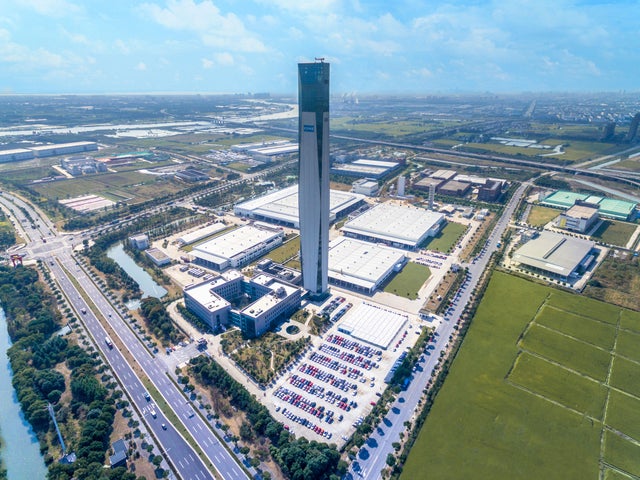
Aerial photo of Kunshan Industrial Park in China with KONE's test tower. The Kunshan Industrial Park test tower stands at 235.6 meters tall in Kunshan, the home of the company’s largest manufacturing unit that hosts engineering and R&D facilities, three elevator factories, and an escalator factory.
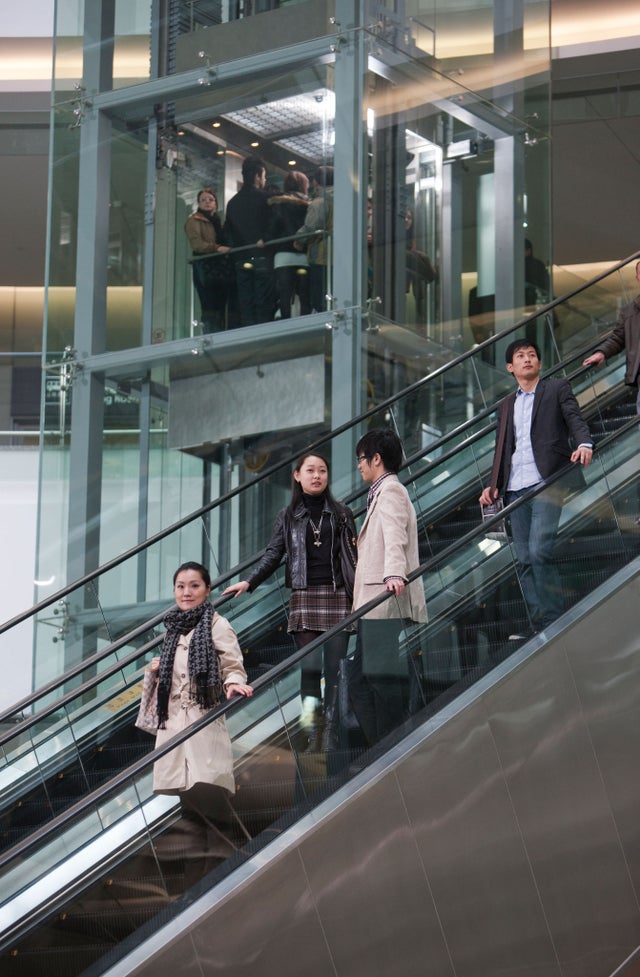
People in escalators in Hongqiao airport in Shanghai China. KONE’s solutions support smooth people flow in some of China’s busiest transportation hubs, like Hongqiao airport in Shanghai.

From urban growth to urban renewal

KONE’s decision to enter China at the beginning of an extraordinary period of urban growth allowed the company to grow alongside the country’s cities and help shape how people move and live.


In 2025, KONE strengthened its presence in the Guangdong-Hong Kong-Macao Greater Bay Area (GBA), with plans for a new China Southern Headquarters and a logistics and assembly center.


“China is important to KONE for its production and innovation facilities, which benefit our business worldwide,” says Bao. “Having a larger presence in the GBA will put us closer to innovation clusters as well as our customers and partners in the region.”


China and KONE have come a long way together over the past thirty years. Speaking at the China Development Forum 2026, which brings together Chinese policymakers and international business leaders, KONE President and CEO Philippe Delorme highlighted how China’s growing focus on urban renewal is creating new opportunities for elevator modernization and digital services.


Bao is equally optimistic about what the next thirty years will bring as cities increasingly turn to urban renewal and modernization.


“Urban renewal will help improve people’s quality of life in China, and we want to provide the right products and solutions to make it happen. I am very excited about our fast, one-week modernization solutions, which can greatly improve sustainability and user experience without replacing an entire elevator,” he says.
“We intend to play a leading role in China’s urbanization journey.”

KONE in China

  • China is one of KONE’s most significant markets globally.

  • KONE first came to Chinese mainland in 1996, and the first factory opened two years later. The new Kunshan Industrial Park officially opened in 2013.

  • KONE currently has about 40 branches and 20,000 employees in China. Including Giant KONE the total number of branches is around 80.
  • KONE China not only meets its domestic demand but also exports products to more than 100 countries and areas such as Asia, Middle East, Australia, the Americas and Europe.
  • KONE is establishing its China Southern Headquarters in Shenzhen, including a smart logistics and assembly center, that supports the region’s high-quality urban development.

Explore more

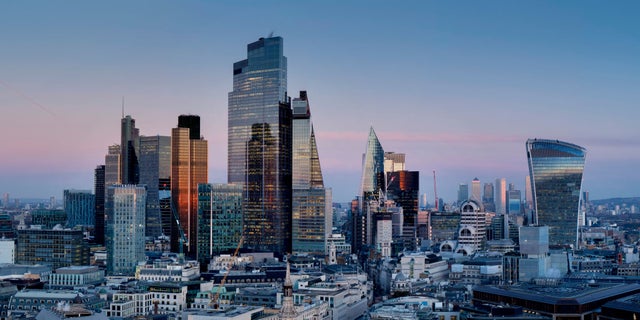
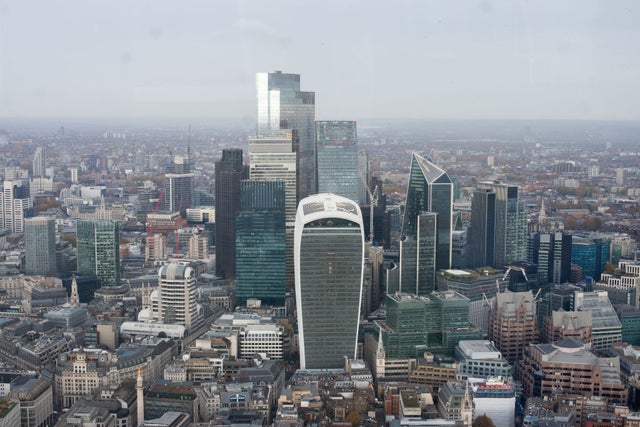
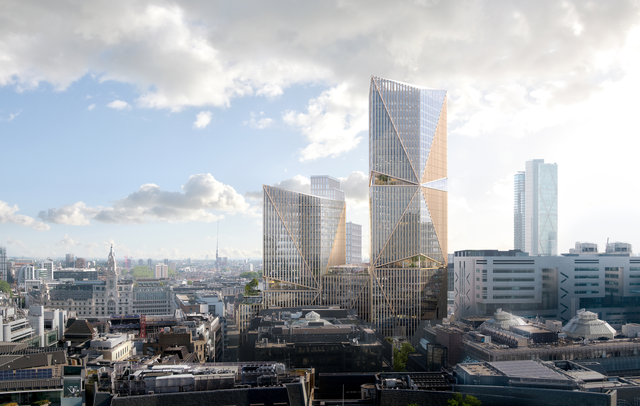
  • London city skyline

    Why modern skyscrapers need elevator modernization

    See how two landmark London towers use elevator modernization to improve people flow, reliability, building performance and tenant experience.
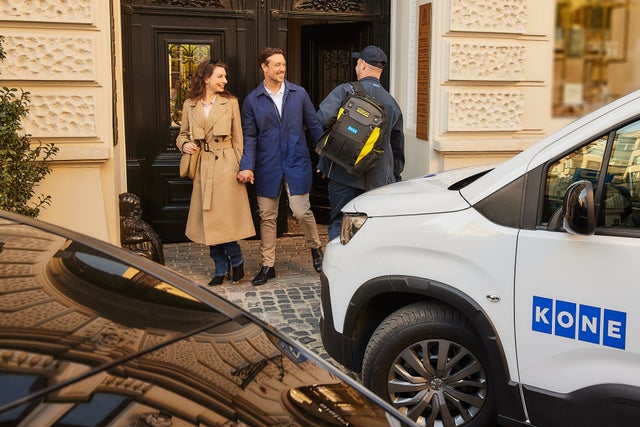
  • Woman and a man meeting KONE technician in front of a building

    A faster way to future-proof old buildings

    Discover how elevator modernization done in as little as one week can extend elevator life, improves reliability and connectivity, and minimizes disruption for tenants.
  • A visualisation of the completed towers at 2 Finsbury Avenue, two high-rise buildings connected by a podium

    How KONE powers people flow at 2 Finsbury Avenue in London

    Explore how KONE's people flow solutions power 2 Finsbury Avenue in London, improving mobility, user experience, and workplace connectivity for thousands of daily users.