A faster way to future-proof old buildings

Keeping daily lives moving

Upgrading an aging elevator has traditionally meant weeks or months of disruption to people’s everyday lives. But as buildings and people all around the world age and sustainability pressures grow, a faster approach to modernization is changing how building owners think about upgrades.

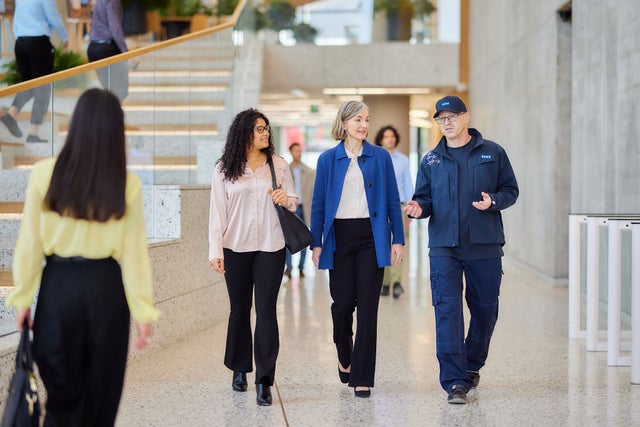
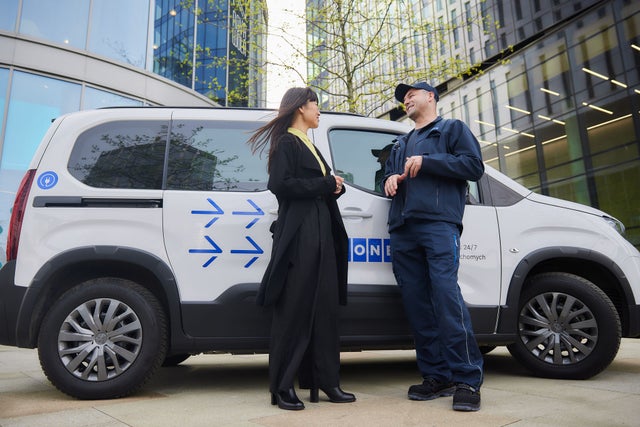
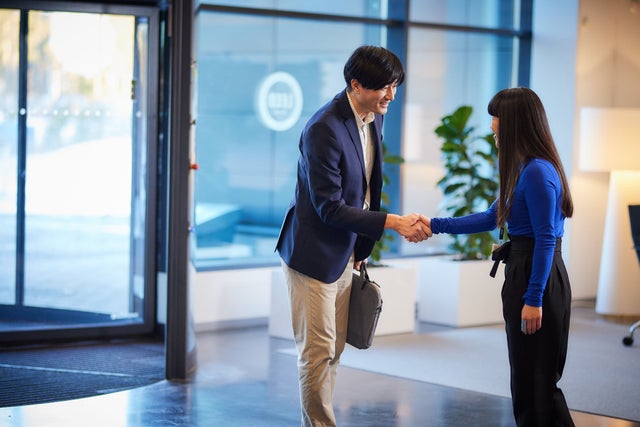
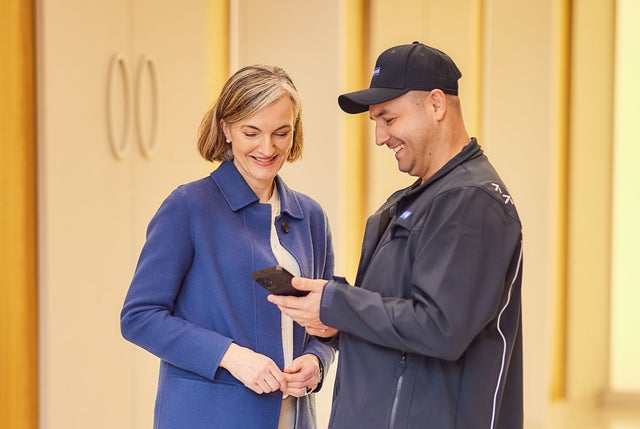
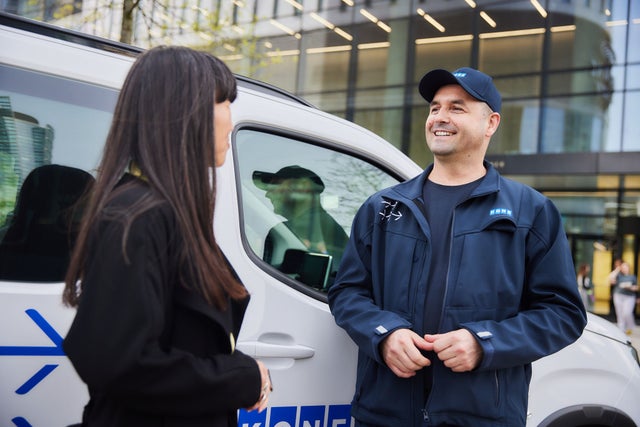
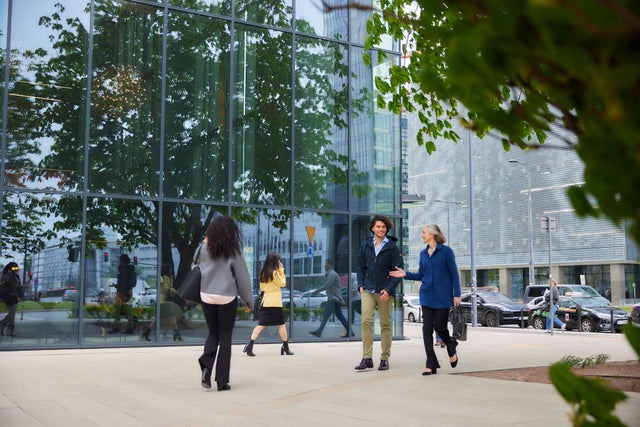
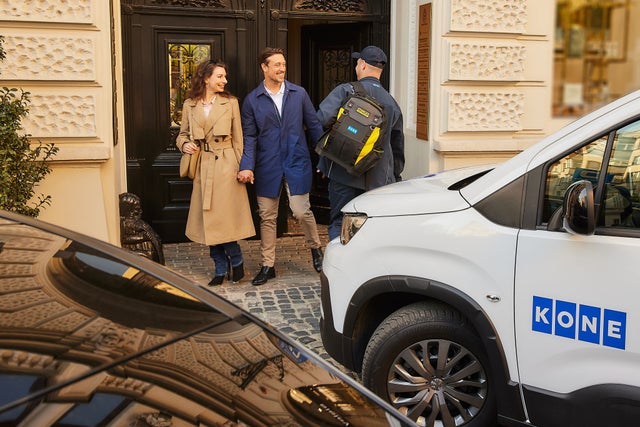
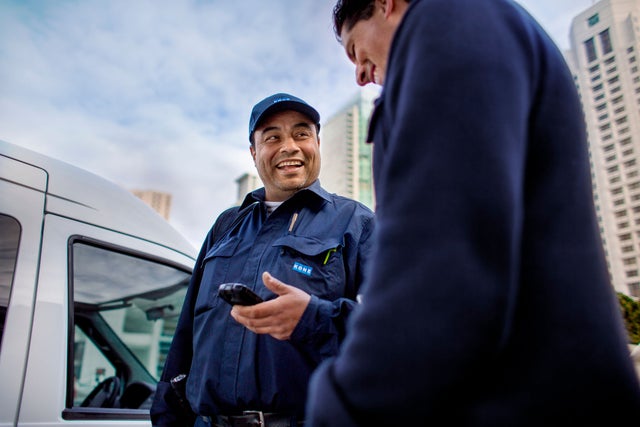
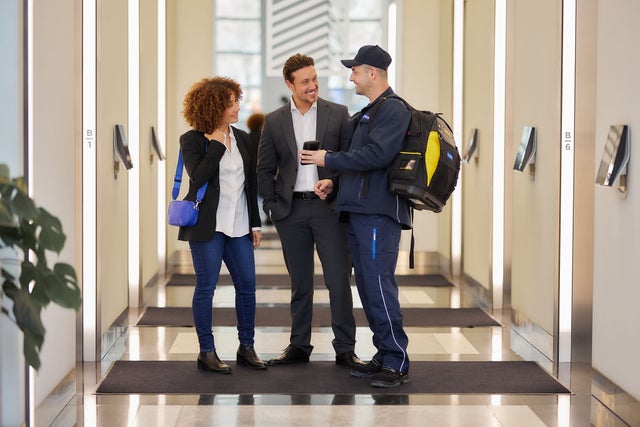
Woman and a man meeting KONE technician in front of a building
Pippa Catterall, professor of history & policy, University of Westminster, London Professor Pippa Catterall's research explores how cities can preserve and adapt aging buildings to meet future needs.

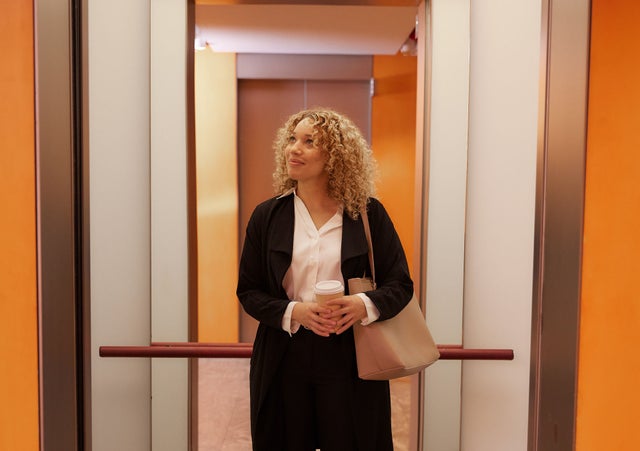
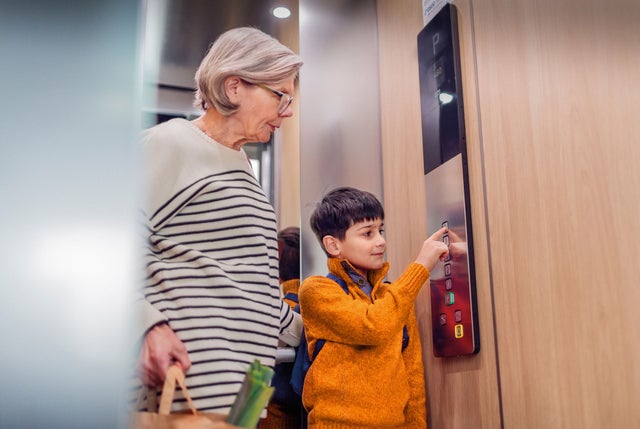
Elevators are easy to take for granted as something we use every day, without giving them much thought. But for many people, the elevator is a lifeline. For an elderly person in Paris, a parent with a stroller in Berlin, or a wheelchair user in London, the elevator can be the crucial connection to life beyond their front door. Seen from a wider perspective, the elevator is a vital part of the city’s daily rhythm - helping people move, meet, work, and stay connected. What would your life be like if the elevator you use daily was out of service for a couple of weeks for repairs?

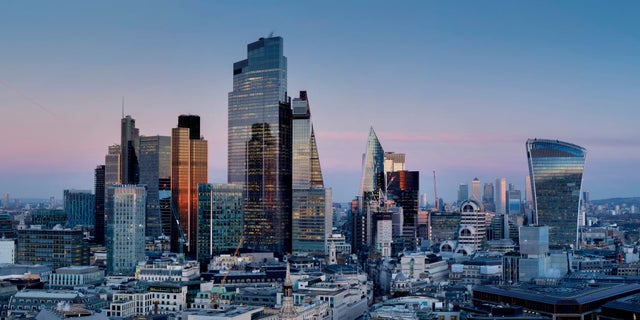
Today, cities around the world face the dilemma of future-proofing their buildings. The challenge is especially apparent in Europe, where the building stock ranges from heritage masonry buildings to 1970s developments and 21st-century commercial towers.
“Unlike centuries-old structures designed for long-term durability, many post-war and late 20th century buildings were explicitly designed with planned operational lifespans of only 30 to 40 years,” says Pippa Catterall, professor of history & policy, University of Westminster, London.

 

That reality is creating a growing need for modernizing the buildings and their critical infrastructure – including elevators.

Woman walking in London.
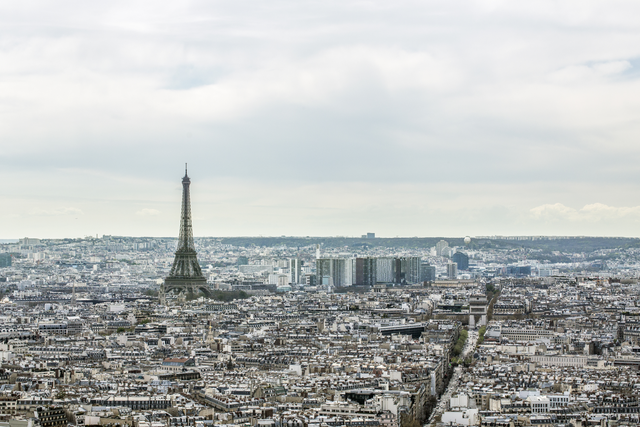
Paris city skyline.
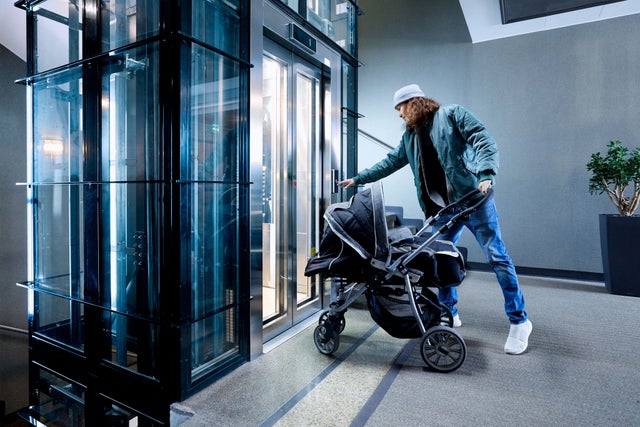
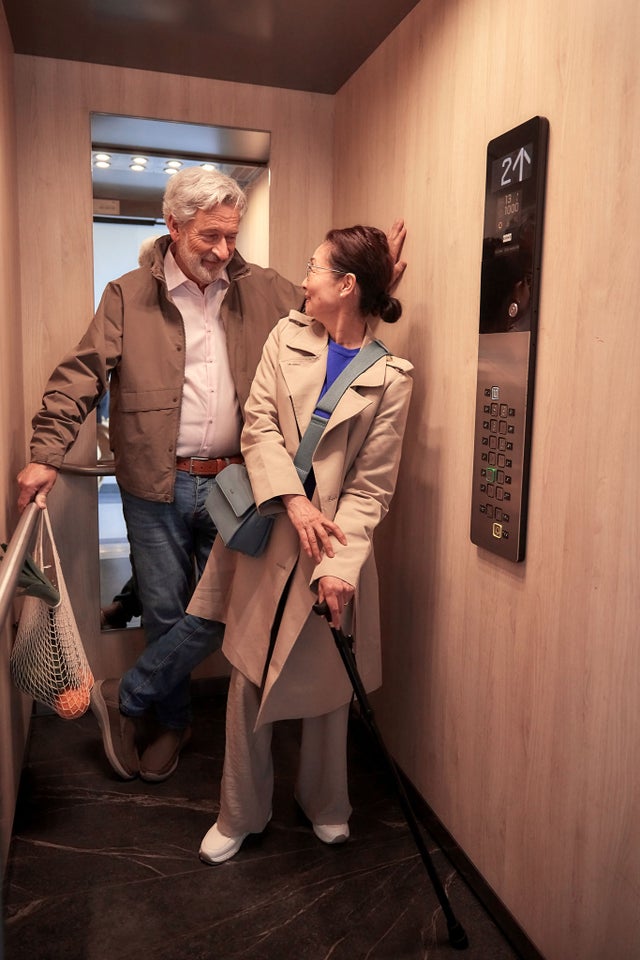
Man with a pram taking an elevator ride. For many families, elevators help keep daily routines moving.

Why building owners postpone elevator modernization

When an aging elevator needs an upgrade, building owners often face a difficult choice: improve the equipment now or avoid extended downtime and postpone the work. Across Europe and beyond, that decision is becoming increasingly important and timely.

Yet, modernization is progressing surprisingly slowly, says Dennis Viehweg, senior vice president of modernization at KONE.

“At the current pace, an elevator installed today wouldn’t be modernized for another 125 years. Less than one percent of elevators is upgraded each year, and I often ask what the reason is.”

The main barrier, he says, is the disruption involved. 


“Many times, it’s connected with the pain customers feel from having the elevator shut down. It’s an incredibly inconvenient process for tenants, and customers often struggle to see the added value. This causes modernization to be delayed until it’s unavoidable, or even too late.”

When renovating is postponed, reliability can decline, maintenance requirements can increase, and building owners may ultimately face larger and more costly interventions.

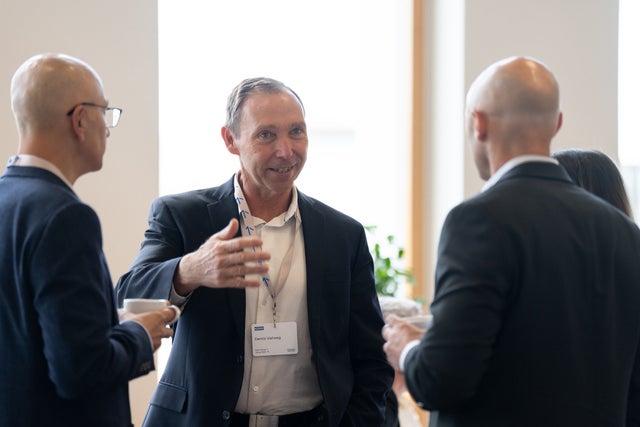
Dennis Viehweg, senior vice president of modernization at KONE Dennis Viehweg, SVP Modernization at KONE, believes faster modernization can help people stay connected to their everyday lives while extending the performance of aging elevators.

Extending asset life while retaining existing materials

Modernization is not only a question of convenience and economics. It is also about sustainability.
 

Professor Catterall has researched the differences and challenges when maintaining, preserving, and adapting different building constructions. As with replacing an obsolete elevator, she concludes that from a broader sustainability perspective, it’s often preferable to modernize and upgrade than to tear a building down and replace it with a new one.


“Demolishing a building destroys decades of embodied carbon stored in its concrete, steel and brick foundation. Constructing a new building requires extracting, manufacturing, and transporting brand-new raw materials, generating massive carbon emissions that take decades to offset,” she explains.


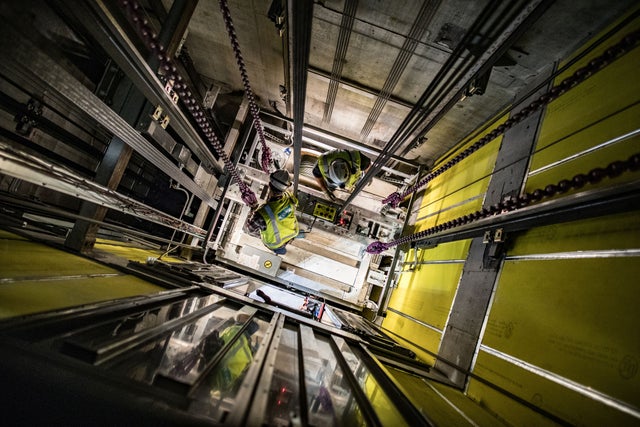
For an elevator, modernization allows major existing parts to remain in service while upgrading the technology that drives its performance. This reduces the need for new materials and helps avoid full elevator replacement.


There’s still a dilemma: modernization has traditionally taken weeks. But does it really have to take that long?

Modernization with less downtime and smarter connectivity

KONE’s new modernization approach is all about making the upgrade faster, easier and more valuable for the customer. “It’s not simply about repair or restoration; it genuinely makes the elevator better, with better performance and connectivity,” Viehweg explains.


Most importantly, the work can be done in a week, or even less, meaning disruption for the building’s residents or visitors is kept to a minimum.


“If we can reduce elevator downtime to one week or less, we fundamentally change the experience for the customer and end user,” Viehweg says.


During the modernization, KONE upgrades the electrification and signalization. This includes replacing the elevator controller – the “brain” of the elevator that coordinates movement, doors, and passenger calls – as well as upgrading wiring and fixtures.


For tenants and building managers, the elevator upgrade improves reliability, cybersecurity, equipment uptime and performance, while also extending the lifetime of the elevator. Furthermore, digital connectivity can help identify issues earlier, supporting more proactive maintenance and reducing unexpected disruption.
 

Thanks to digitalization the benefits can also extend beyond the unit itself, when the data from a connected elevator is used to optimize the building management system.


“If a building manager has a clearer understanding of when and how areas of the building are being used, that information can support smarter decisions around building operations. For example, areas with limited occupancy at certain times may offer opportunities to optimize heating, cooling or lighting. Ultimately, better information availability can help customers operate their buildings more efficiently and potentially reduce both energy consumption and operating costs,” Viehweg points out.


This can help lower the building’s environmental impact and reduce tenants’ monthly bills.

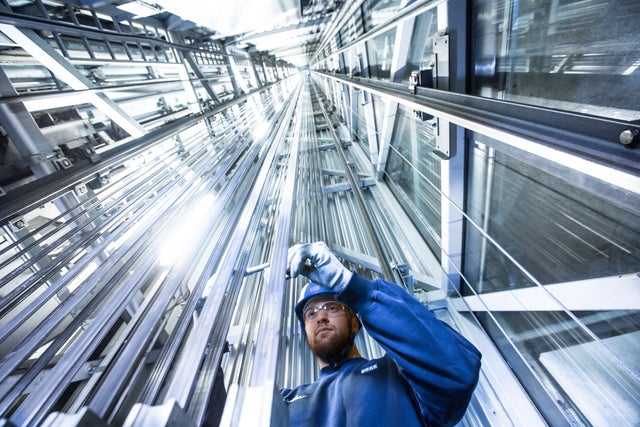
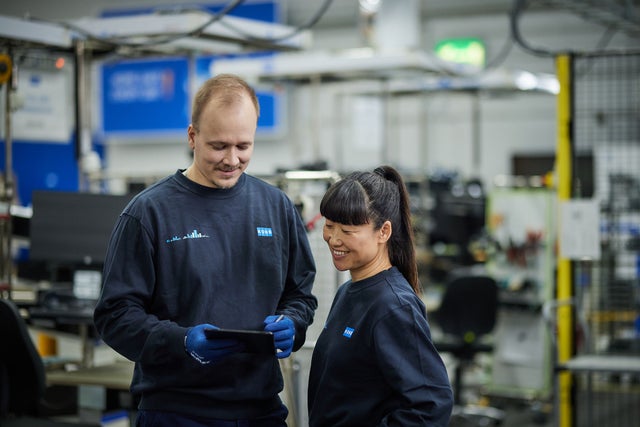
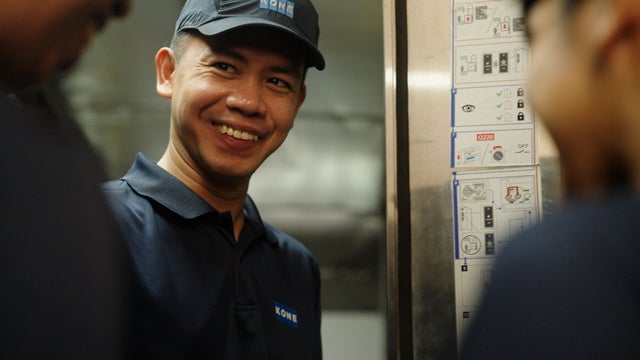
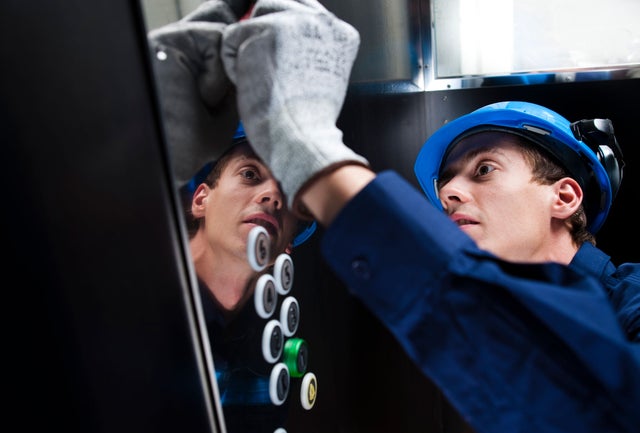
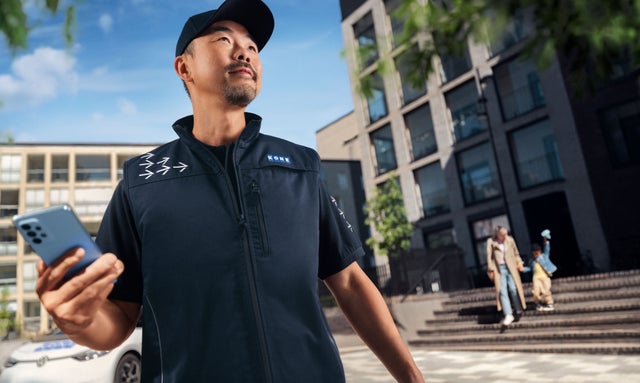
KONE fitter modernizing an elevator by working on the push buttons. A KONE technician upgrading an elevator.

Keeping buildings and cities moving

Ultimately, the challenge facing cities is not only how to build new structures, but also how to keep existing ones working better for longer. In that context, modernization is becoming just as important as construction itself. As buildings in Paris, Berlin, London, and cities around the world grow older, so do the people who rely on their elevators to stay connected to everyday life. 


Building owners face growing pressure to improve the reliability, performance, and sustainability of infrastructure and equipment, with little or no disruption for the people who live there. A faster modernization is not only an improvement of the elevator itself, but also an upgrade of life for those who depend on it.

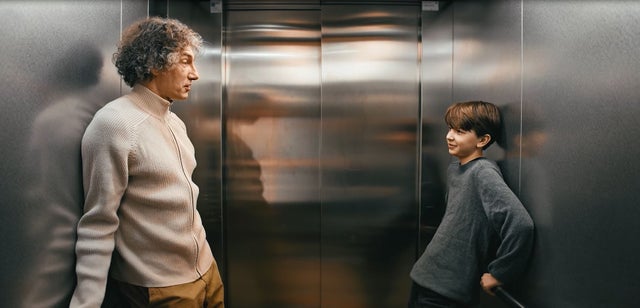
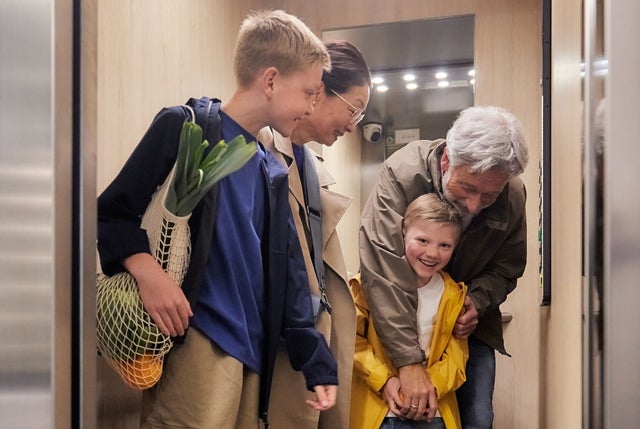
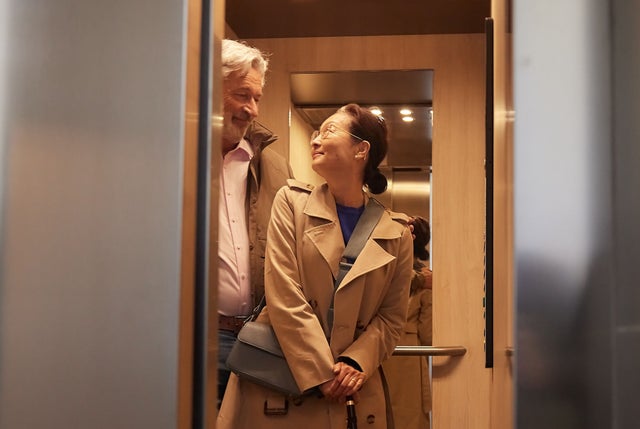
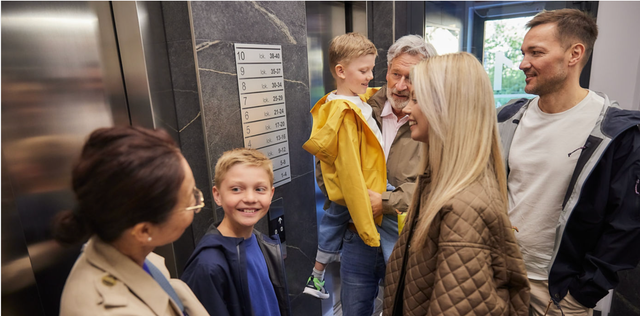
A family with grandparents, parents and young children in an elevator. Reliable elevators help people of all ages stay connected to everyday life.

Explore more

No Results Found