Explore our offering
New elevators and escalators Service ModernizationYou might be interested
Major projects KONE Remote Service Predictive maintenance Solutions for greener buildings myKONE
Solving issues faster in the field
Developed together with our service technicians, KONE Technician Assistant is guiding field teams to troubleshoot problems faster, reduce downtime, and prepare for a future where elevator maintenance becomes increasingly predictive.
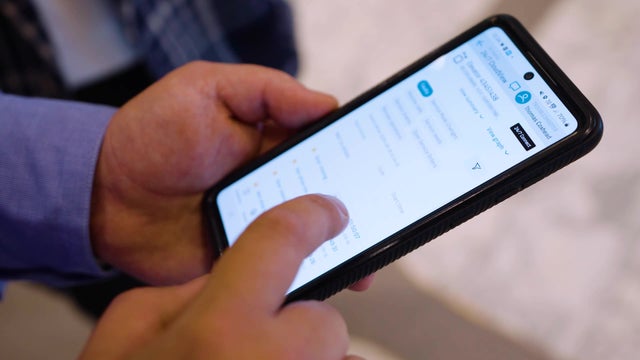
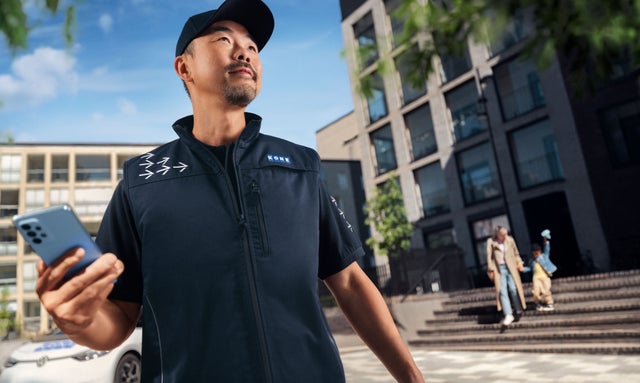
Picture the scene: A KONE service technician has been called out to investigate what appears to be a drive-related fault in an elevator. After checking the most obvious causes, he turns to KONE Technician Assistant, a generative AI-powered troubleshooting tool designed to support field technicians in their day-to-day work.
The recommendation that comes back is unexpected. Rather than focusing on the drive system, the AI suggests inspecting a floor magnet. The service technician follows the advice and discovers that the magnet is, in fact, the source of the problem.


For Kristian Puusaari, product manager for KONE’s new AI tool Technician Assistant, the example illustrates one of the tool’s biggest strengths. The AI assistant can help service technicians identify potential causes that might otherwise take longer to uncover.
Kristian Puusaari, product manager for KONE’s new AI tool Technician Assistant
To help technicians troubleshoot issues faster, KONE Technician Assistant combines connected equipment data, maintenance history, technical documentation and previously solved support cases. The technology is already available to 15,000 KONE technicians around the world.
For Aki Parviainen, director of digital service operations at KONE, one point is particularly important: Technician Assistant is designed to support technicians, digitalization is about enhancing their capabilities.
“Our field people are our most valuable asset,” he says. “This is not a tool replacing their work – it’s there to make it easier and help them be even more effective.”
Marc Bergalla, KONE’s service technician who was involved in testing Technician Assistant, sees it the same way.
“I welcomed the new tool with open arms. For me, it's a revolution. I'm constantly curious to learn more about how it works and what its benefits are, so I can make the best possible use of it.”
KONE service technicians were involved in developing the solution from the earliest stages of the project. Product teams worked closely with field personnel across different countries to understand how technicians troubleshoot equipment, which information they spend time looking for, and what kind of support would make the biggest difference in their daily work.
Puusaari says the development team quickly realized that creating a useful AI tool required much more than technical expertise.
“We are IT people and software developers,” he says. “So we needed our technicians’ support to understand what kind of information the tool should provide and how it should support their work.”
Technicians participated in workshops, testing programs and pilot projects in several countries. They evaluated everything from the quality of the AI answers to how information was presented on screen. They also helped refine translations and industry-specific terminology, ensuring the tool could support technicians consistently across different markets.
The feedback had a direct impact on the final product. For example, early versions provided longer explanations, but technicians quickly pointed out that they rarely had time to read large blocks of text while on the field.
“When you're troubleshooting, you want to get to what's relevant almost immediately so you can fix the problem quickly,” Bergalla says.
The most common use case for Technician Assistant is a callout – when a technician is dispatched to investigate and resolve a reported problem.
Drawing on the different available information sources, the AI generates recommended troubleshooting steps before the technician even arrives on site. This helps our techs prepare in advance instead of starting from scratch when they reach the building.
Bergalla says the tool has totally changed the way he approaches service visits in southern France.
“For me, it's about saving time and energy,” he says. “If you can already diagnose the issue remotely, you can arrive on site with the right part ready in your vehicle and with more peace of mind.”
Once on site, technicians can also ask the tool for advice on specific questions, such as how to replace a component, adjust a parameter, or access a particular part of the equipment. The AI searches manuals, support documentation and previous cases, then proposes recommended actions and solutions. This approach supports our technicians’ decision-making while always leaving the final judgment to them.
For KONE’s service technician Frédéric Magnier, also based in France, the Technician Assistant has also proven useful during regular maintenance visits.
“Sometimes I simply need to find a specific control or setting. Technician Assistant gives me the answer immediately, so I don't have to call technical support, and they can focus on more urgent tasks. In some cases, it even provides images from manuals.”
The tool is particularly valuable when technicians work with many different elevator and escalator brands, models and configurations. “Even experienced technicians cannot know every detail about every product, and the tool helps fill those knowledge gaps when needed,” Puusaari says.
Cybersecurity is an increasing priority as digital tools become more integrated into maintenance operations. Technician Assistant is built on the same secure platform as KONE’s other digital solutions and is continuously tested and improved.
Unlike consumer AI tools, Technician Assistant operates within a controlled environment, drawing only on approved documentation and verified past support cases.
“We cannot make instructions by AI that are not safe to use,” highlights Parviainen.
One of the most powerful features of the new tool is that it continues to learn from KONE’s collective experience. Every day technical support teams help field technicians solve new challenging problems. Those interactions are documented, creating a growing repository of troubleshooting knowledge.
“Our database is growing on a daily basis,” says Puusaari.
The new tool is also changing how technicians learn from one another.
“Every Monday morning, we review the weekend breakdowns. While someone explains what happened, I open Technician Assistant and project the results on a big screen so we can analyze the case together,” Bergalla says.
Looking ahead, Parviainen believes the future lies in continued collaboration between technology and the people who use it.
“We continue to listen to our service technicians,” he says. “Bit by bit, we are making the tool better together.”
Marc Bergalla, KONE service technician
Marc Bergalla, KONE’s service technician
No Results Found