

Modernizing elevators is about upgrading existing equipment with safer, more energy efficient and digitally connected solutions to extend building life, improve people flow, and deliver a better user experience without replacing the entire system.
Europe is going through turbulent times. What role can businesses like KONE play in building a sustainable and resilient future?
There is geopolitical turbulence, yes. But I see far more opportunity than decline in Europe. At KONE, we see real potential to improve how cities function and how buildings perform. Rather than focusing on uncertainty, I encourage people to focus on where we can drive a positive impact.
One of the biggest opportunities for fostering sustainability and long-term resilience is modernization. Europe is admired for all the beautiful old buildings, which have millions of aging elevators and escalators. Futureproofing them is not just about replacing old equipment, it’s about transforming how buildings operate and bringing them into the digital age. Modernization is a practical way to accelerate both decarbonization and digitalization across the continent’s built environment.

What makes modernization especially relevant today?
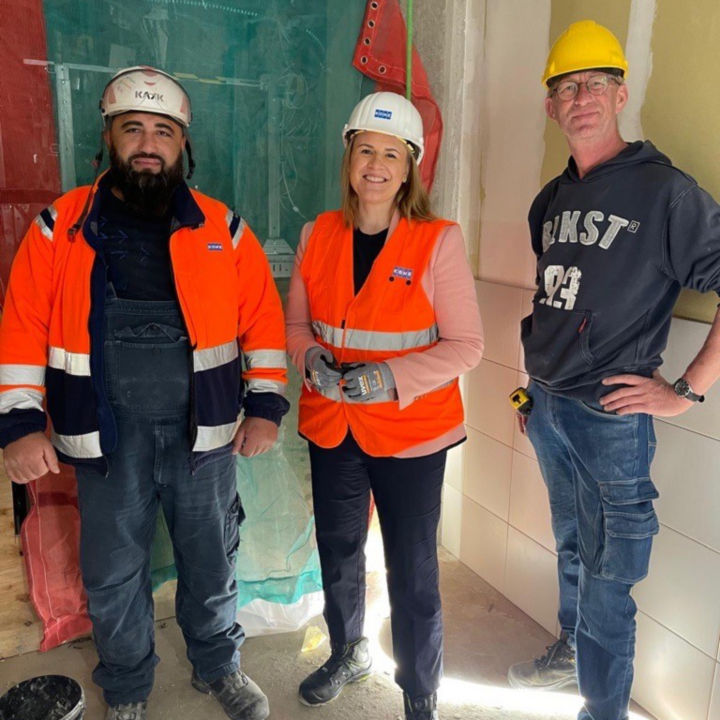
Many building owners look at an elevator and think, “It still works.” But modernization is not just a technical upgrade, it delivers measurable value: lower energy bills, reduced downtime, more comfort for the inhabitants, as well as real carbon reduction. For cities, this means safer, more efficient, and more sustainable infrastructure.
New or upgraded equipment improves safety and enhances quality of life. For example, digital connectivity enables predictive maintenance, remote services, and even remote rescues of people trapped in stopped elevators.
This link between modernization and digital services is much bigger than many people realize. This is also how we bring our Rise strategy to life, combining sustainable growth with real value to our customers.
How would you describe yourself as a leader, and what values guide your decisions?
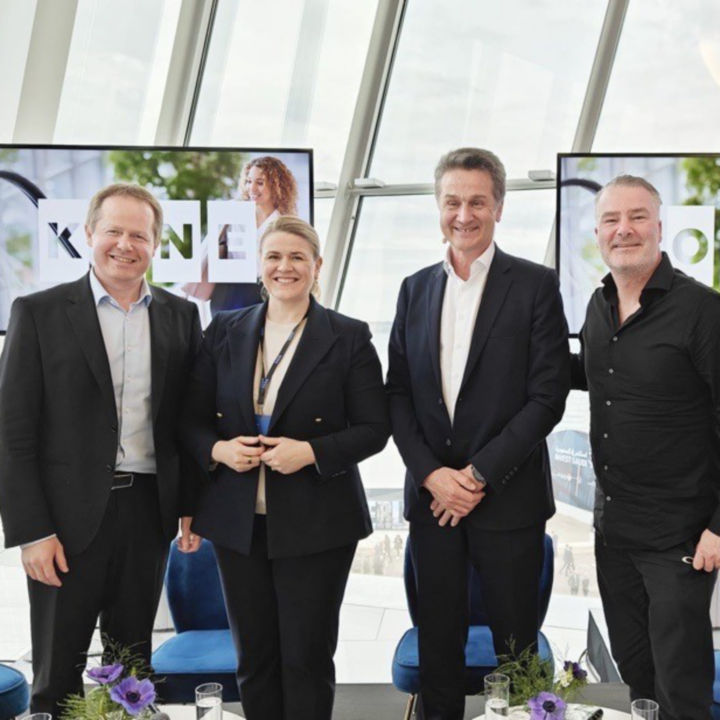
Over the years, I’ve reflected a lot on good leadership. One could describe my leadership style as demanding but caring: setting high ambitions and clear expectations, while empowering and supporting people. For me, authenticity is critical. Leadership must feel real, and it has to be human.
The values that guide my decisions are closely aligned with KONE’s: customer, collaboration, care and courage. Long-term success depends on how well we can work together across functions, countries, and cultures.
One principle is very important to me: integrity. If I can’t stand behind a decision, then it’s probably not the right choice. Fairness is part of that. People need to feel like they are treated consistently and justly. That builds trust.
You moved into a major leadership role early in your career, leading KONE’s Finland and Baltics business. What made that possible, and what kept you moving forward?
By the time I stepped into the role of managing director of Finland and Baltics, I’d already been at KONE for 13 years, working across legal, investor relations, and strategy. Each role taught me something new, but the most valuable lessons came from spending time with customers and people in the field. I really wanted to understand how the business works. Working in investor relations showed me what investors value and what makes a company succeed. That top-down view, combined with frontline experience, gave me a solid foundation for holistic leadership.
Since then, the scale of the business I lead has grown many times over, but the fundamentals of leadership remain the same. The journey has been exciting and humbling, guided by the support of leaders and mentors who believed in me and gave me the confidence to take on bigger responsibilities.
How do you think leaders can take meaningful action on climate change?
Leaders don’t need to master every technical term in sustainability. What matters is having the courage to talk about it and provide direction. That means setting high ambitions and being willing to experiment and take smart risks. Incremental change is not enough. Leaders also need to look concretely at how their business can increase carbon-reducing revenue and help customers lower their own emissions and energy use.
We should all remember: there is no planet B. In business, we often talk about having a backup plan. But when it comes to climate, this is it. That realization changes how seriously we should take every decision.
Which European city inspires you most for its approach to sustainability and innovation?
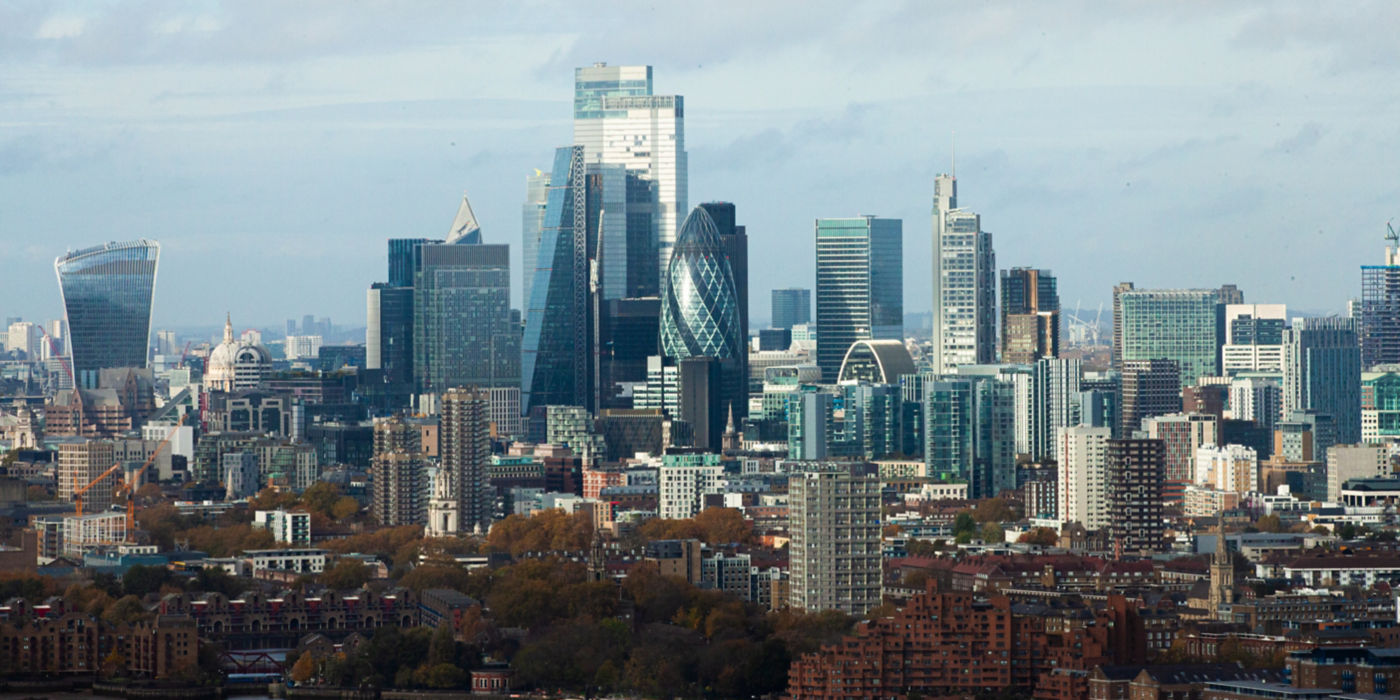
There are many inspiring cities across Europe, but London stands out for me. I studied there years ago, and I’ve always admired how the city invests in public infrastructure and accessibility.
A great example is the Elizabeth Line, which connects Heathrow Airport to the heart of London through an easy-to-navigate transport system. All 41 stations are accessible from street to platform, supported by elevators and escalators – including KONE equipment. This is not the norm, most stations in London only have stairs. Examples like this show how thoughtful infrastructure can help make cities more accessible, efficient, and sustainable.
What keeps you motivated after 20 years at KONE?
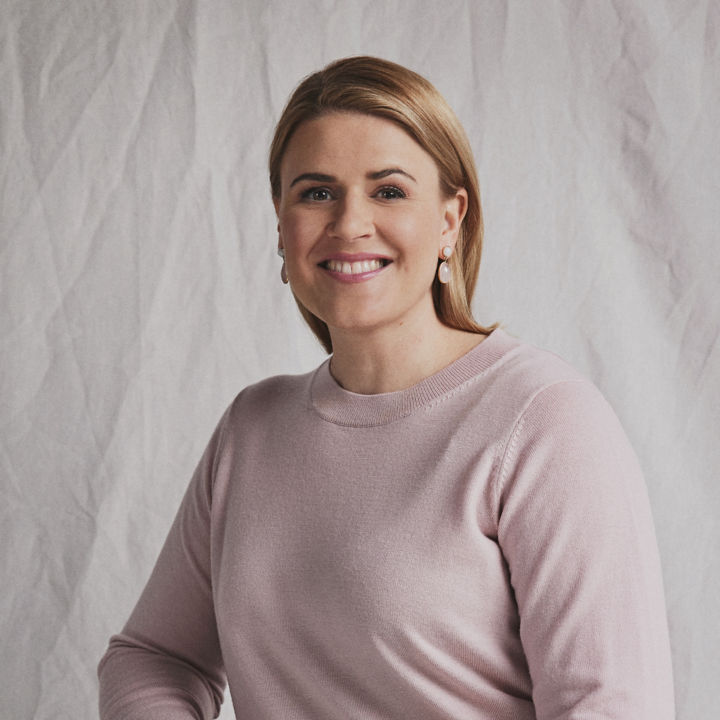
I’m inspired by the fact that there is always more to learn. KONE keeps evolving, through digitalization, modernization, and new ways of serving our customers.
On a personal level, my family keeps me grounded. Life with two toddlers is busy and hectic, but very happy. When you’re dealing with young children, you are definitely not the boss. It reminds me to stay present and not take myself too seriously.
Sometimes the two worlds come together in small, simple moments. When I ride in a KONE elevator with my daughters and they compete over who gets to press the button, I lift them up so they can reach. These moments feel special to me. It’s like everything I spend my time on in life, coming together in one elevator journey.