
A chain is only as strong as its weakest link. Modern supply chains can be long and complicated, and it is often notoriously difficult for one end of the chain to know what the other end is doing. For this reason, it is crucial to build chains with the right partners to help each other thrive.
KONE has about 30,000 suppliers worldwide, which range from major multinational corporations to specialized local businesses. It is not an easy task, but KONE wants to make sure there are no improper practices in any part of the supply chain. This is achieved by taking proactive measures to prevent issues before they arise.
Recently, KONE signed a cooperation declaration with the United Nations Industrial Development Organization (UNIDO). This collaboration will materialize in India, where UNIDO will help us organize pilot trainings for employees of KONE and our suppliers in 2026.
“The pilot program with UNIDO will take place here in Tamil Nadu, India,” explains Surya Rishi, supplier sustainability specialist at KONE. “The goal is to make sure that our suppliers comply with legislation and our code of conduct. We want to talk openly with our partners about their challenges and work together to find solutions.”
Building safe and fair working environments
KONE’s work to advance standards in supply chains includes training, dialogue, commitments, and verifications. About 87% of the company’s partners worldwide have signed KONE’s Supplier Code of Conduct, committing to following the law, acting ethically, ensuring safe working conditions, respecting human rights, and reducing their environmental impact. Some partners have had their own codes approved as being compliant with KONE’s code.
“We ask all our partners to commit to the KONE Supplier Code of Conduct. In addition, we carry out on-site assessments both on our own and by an independent third party,” explains Lauri Vesterinen, KONE’s manager of supplier sustainability. “If a problem is discovered, we ask the supplier to take corrective actions which are then verified in follow-up assessments.”
For example, the auditor might discover expired permits, a lack of first aid kits or workers without proper protective equipment. In one incident, pallets blocked access to fire extinguishers.
A serious violation, such as a critical safety shortcoming, needs to be immediately rectified. Less pressing issues, such as missing paperwork, can have a somewhat longer grace period to be fixed. If no progress is made, KONE can even cancel the contract with the supplier.
“One issue we have seen is in adequate employee contracts and wages. Even if the workers would verify they are being paid correctly, the supplier must still have the proper documentation and evidence,” Vesterinen says. “Of course, these problems don’t concern only us, but the entire industry.”
Local collaboration brings best support
We operate in close to 70 countries around the world and aim to use local providers wherever possible. There are many benefits to this, such as reducing transport time and costs and gaining an understanding of the local markets.
Yet Rishi notes it also means navigating diverse cultural and regulatory differences, such as with gender discrimination, the right to unionize and the rights of indigenous peoples. Training and workshops are an effective way to communicate to partners what standards KONE expects and how to meet them together. By improving their practices, partners can also enhance their chances to succeed and grow their business.
“If the pilot program with UNIDO goes well, we can roll it out with all of our 2,000 suppliers in India,” Rishi continues. “In the long-term, we want to increase environmental, health and safety, and human rights standards.”
Crafting steel safely and fairly
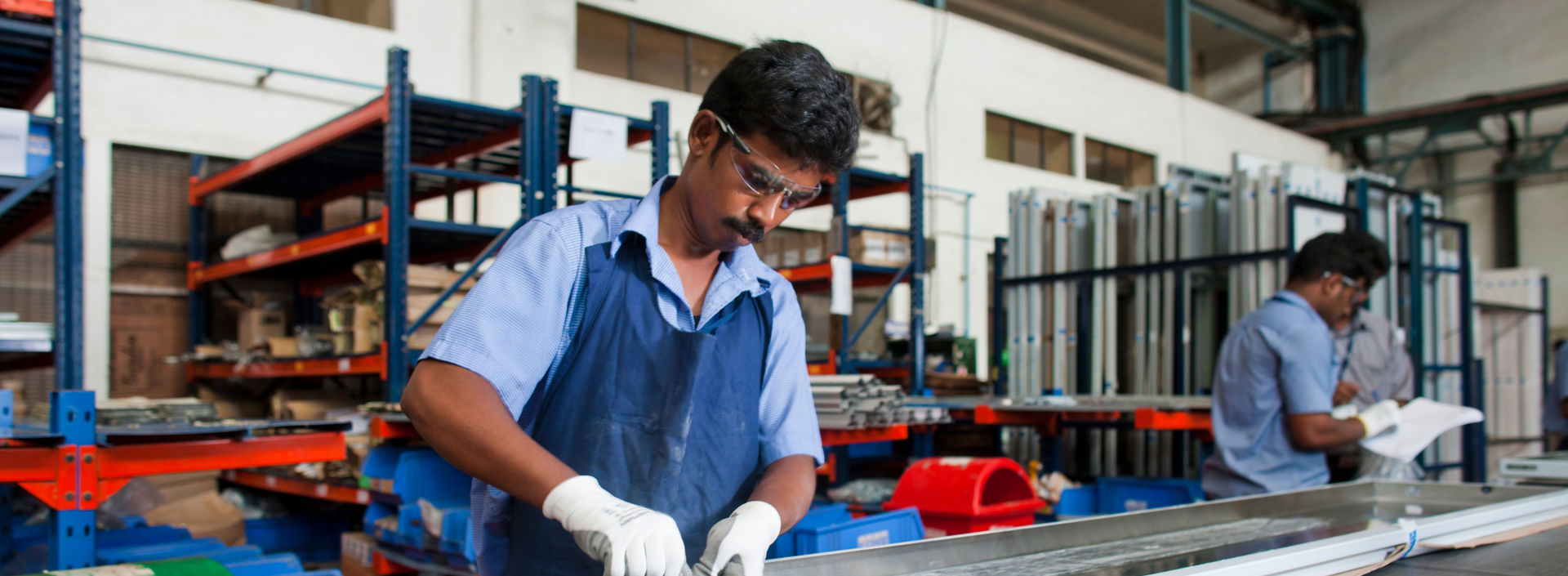
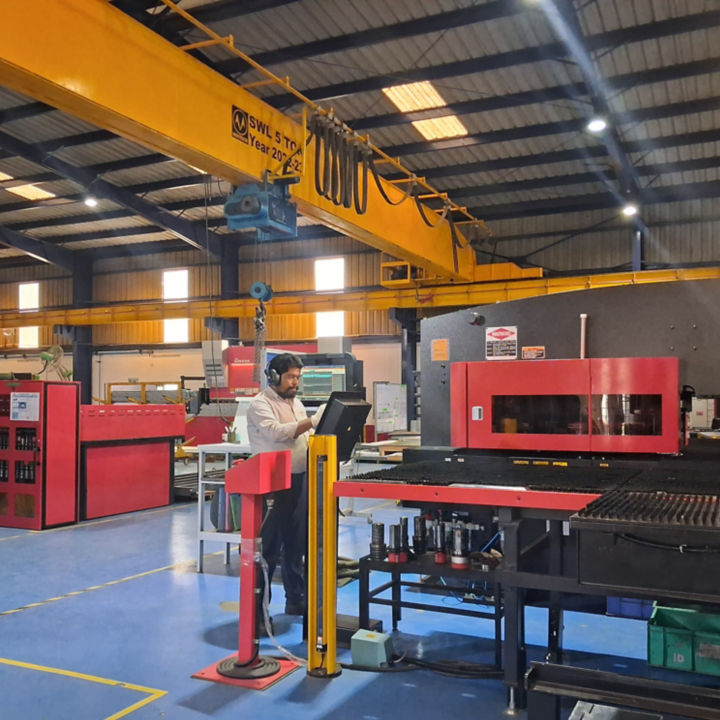
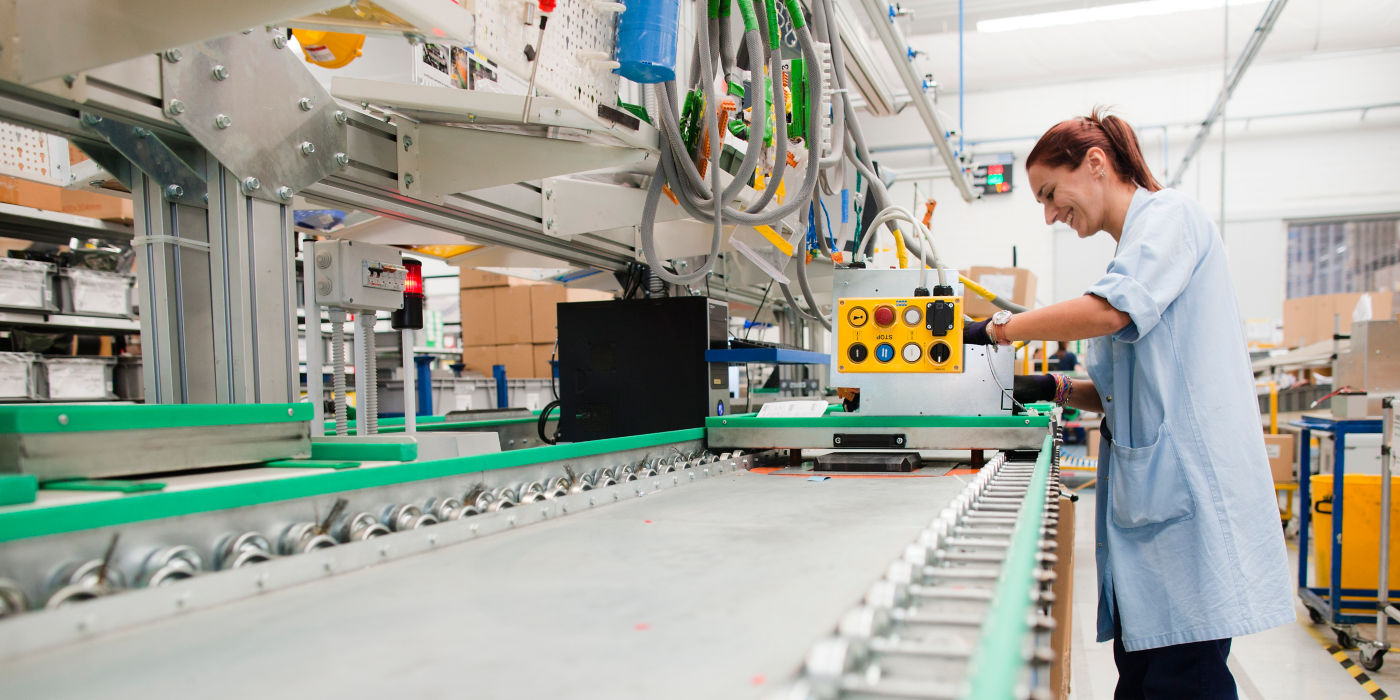
One of KONE’s Indian suppliers is Viman Multiplug Pvt Ltd. Headquartered in Bangalore, Viman Multiplug is an expert in sheet metal and provides KONE with much of the stainless steel found inside elevators in India, such as the doors and walls.
“We have worked with KONE for 25 years,” says Vinay M. Pai, managing director of Viman Multiplug. “We have always worked together to improve the quality of the product and now we are working together to improve sustainability.”
Some improvements he mentions include switching from liquid to powder paint, which produces less waste, as well as investing in new machines which use less electricity and hydraulic oils. In 2014, Viman Multiplug received an ISO 14001 certification for environmental management systems.
Compliance is a business opportunity
There are many aspects to a sustainable supply chain beyond environmental issues, including ethical business conduct, legal compliance, labor and human rights, and health and safety. As there are many links in a supply chain, Viman Multiplug must also monitor its own suppliers.
“Smaller vendors might struggle to meet all standards, so it is important to offer them training and help,” Pai says.
“The new program with UNIDO will be useful for mid-sized companies like us,” says Pai. “Compliance is a business opportunity, not a burden. Meeting high KONE standards shows other European companies that we are serious, thus driving our credibility and business development.”